

A sparkling, crystal-clear pool is not just about beauty — it’s about balance, hygiene, and technology. The pool filtration system is the heart of every swimming pool equipment, silently working to keep the water fresh, safe, and inviting. Without proper filtration, your pool can quickly accumulate dirt, debris, and harmful bacteria, turning clean water into a cloudy mess. Whether you own a small home pool or manage a large commercial facility, understanding how your filtration system works helps you maintain efficiency and water quality. This guide will explain everything you need to know about how pool filtration works and how to maintain them for lasting performance.
What Is a Pool Filtration System?
A pool filtration system is the backbone of every clean and healthy swimming pool. It continuously filters the water, removing invisible impurities and visible debris such as dust, dirt, leaves, oils, and insects. Working hand in hand with the pool pump, the filtration system circulates water through a series of vital components including the pool filter, skimmer, main drain, and return jets — ensuring that the water remains clear, balanced, and free from contamination. Without a proper swimming pool filtration system, the water would quickly become cloudy, unhygienic, and unsafe for swimmers.
Filtration not only improves water clarity but also prevents the buildup of harmful bacteria and algae, which can cause unpleasant odors and health issues. In both residential and commercial pool filtration systems, proper filtration plays a central role in maintaining the right water chemistry and ensuring efficient operation of the entire pool setup. It supports chemical treatments, reduces maintenance time, and extends the life of your pool equipment. Simply put, an efficient pool filtration system is not just a convenience — it’s a necessity for keeping your pool water sparkling, healthy, and ready for use all year round.
How a Pool Filtration System Works
A swimming pool filtration system operates in a continuous cycle to maintain clear, hygienic water. The process involves several key stages that ensure effective cleaning and circulation:
- Water Intake through Skimmers and Main Drains: The process begins when the pool pump pulls water from the pool’s surface skimmers and bottom drains. This step helps capture large debris such as leaves, insects, and other floating particles before they reach the filter.
- Circulation through the Pool Filter System: The collected water then moves through the pool filter, where fine particles, dirt, and oils are trapped in the filter media. Depending on the system type—sand, cartridge, or DE (diatomaceous earth)—the filtration efficiency varies, capturing particles as small as a few microns.
- Filtration and Cleaning Process: Inside the filter, contaminants are separated from the water, ensuring it remains clean and clear. Periodic cleaning or backwashing of the filter is required to remove trapped debris and maintain consistent water flow.
- Return of Filtered Water: Once the filtration process is complete, the clean water is returned to the pool through return jets, which evenly distribute it throughout the pool. This ensures uniform water circulation and prevents areas of stagnation.
- Continuous Cycle for Consistent Water Quality: This cycle operates multiple times each day, ensuring all pool water passes through the filter system regularly. Continuous circulation also supports proper chemical distribution, maintaining balanced water chemistry.
👉 Read More: How to Choose the Right Swimming Pool Filter
Main Components of a Pool Filtration System
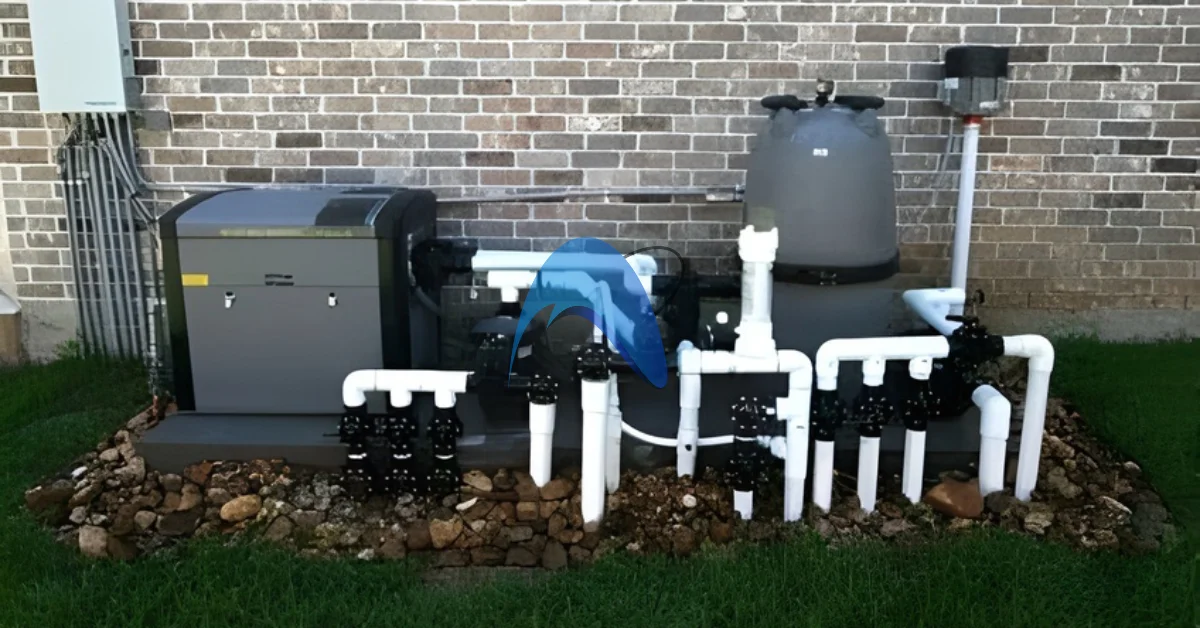
A swimming pool filter system is composed of several critical components that work in harmony to maintain water quality.
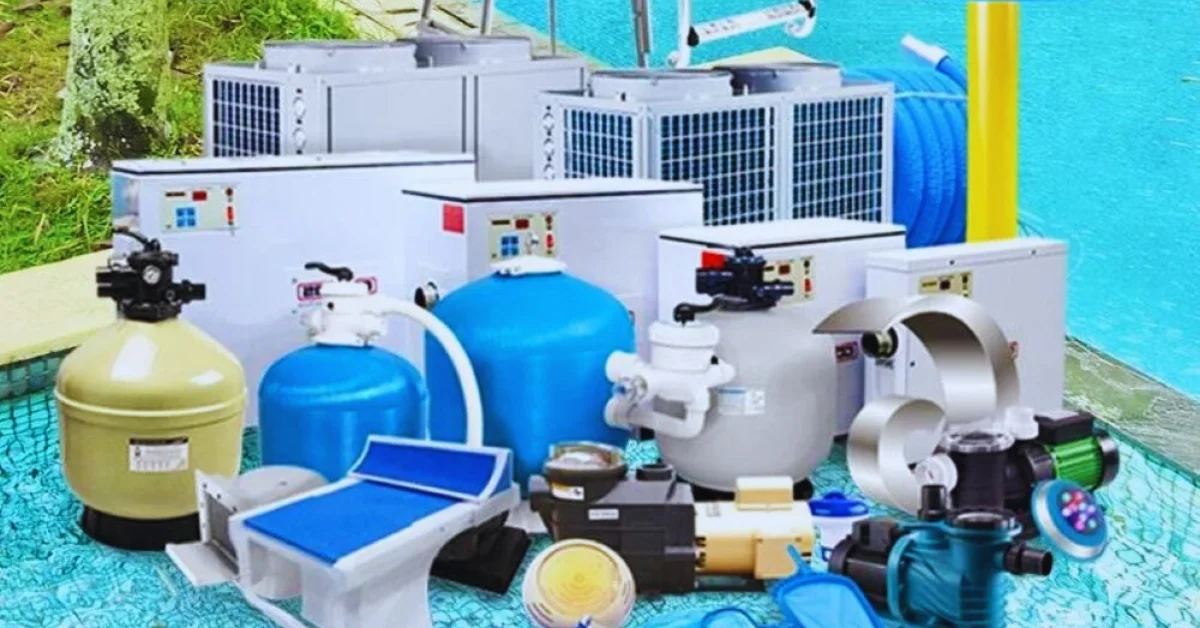
- Pool Pump: The heart of the system that powers water movement through suction and pressure.
- Pool Filter: Removes impurities and debris. The type of filter determines the clarity level and maintenance needs.
- Skimmers & Drains: Collect debris from the water surface and bottom.
- Return Jets: Distribute clean, filtered water back into the pool evenly.
- Valves & Pipes: Manage water flow between suction, filtration, and return stages.
Each part of this system plays a specific role, and maintaining them properly ensures the overall pool filtration performance remains consistent.
Types of Pool Filtration Systems
Understanding the different types of pool filtration systems helps you select the best option for your pool type and usage. There are three primary kinds of filters used globally:
1. Sand Filtration System
Sand filters are the most common and budget-friendly option for both residential and commercial use. Sand filters push pool water through a bed of silica sand to trap dirt and debris. They’re easy to use, affordable, and require minimal maintenance. Although not the most precise for tiny particles, they’re a reliable and popular option for most residential pools, making water clean and clear.
2. Cartridge Filtration System
Cartridge filters use pleated fabric cartridges to catch fine particles, giving clearer water than sand filters. They’re energy-efficient, easy to clean, and don’t require backwashing. Cartridges need regular rinsing and replacement after extended use, making them ideal for homeowners who want low maintenance and high-quality water clarity.
3. Diatomaceous Earth (DE) Filtration System
DE filters use a powder made from fossilized algae to capture the tiniest impurities. They offer the highest filtration quality, leaving water sparkling clean. Although they require more upkeep and proper disposal of DE powder, they’re perfect for commercial or luxury pools where superior water clarity matters most.
4. Glass Media Filtration System
Glass media filters use recycled glass instead of sand, providing advanced filtration and reducing bacterial growth. They require less maintenance, last longer, and are eco-friendly. Though more expensive initially, they deliver superior water quality and efficiency, making them a smart, long-term solution for residential and commercial swimming pools.
Common Pool Filtration Issues and Solutions
Even the most efficient swimming pool filtration systems can face performance issues over time. Below are some of the most common problems pool owners encounter — along with quick insights into their likely causes:
- Cloudy pool water: Usually caused by a clogged or dirty pool filter that needs cleaning or backwashing.
- Low suction pressure: Indicates a blockage or air leak in the suction line, skimmer basket, or pump strainer.
- Weak water flow: Often due to debris buildup in the filter or partially closed valves restricting circulation.
- Pump leaks: Result from worn-out seals, loose fittings, or cracked pipes in the pump or filter housing.
- Noisy filtration system: Caused by trapped debris, clogged impellers, or worn bearings inside the pool pump.
- High filter pressure reading: Signals that the filter is dirty and requires cleaning or backwashing.
- Air bubbles in return jets: Suggests air is entering the system through a loose pump lid or suction-side leak.
👉 Read More: Common Swimming Pool Problems and Their Best Solutions
How to Maintain Your Pool Filtration System
Proper maintenance is essential to keep your pool filtration system functioning efficiently and to extend the lifespan of your equipment. Regular care ensures your pool water remains clean, clear, and safe for swimming. Start by cleaning the skimmer baskets and pump strainer at least once a week to remove leaves, insects, and debris that can restrict water flow. For sand filters, perform a backwash every 1–2 weeks to flush out trapped dirt and maintain optimal filtration performance. Cartridge filters should be rinsed monthly and replaced every 12–24 months, depending on pool usage and water conditions.
Inspect all fittings, valves, and pool filter pumps for leaks or pressure fluctuations — even minor leaks can reduce efficiency and strain your pump. Keep your water chemistry balanced, as improper pH or chlorine levels can damage filter media, corrode components, or reduce filtration capacity. Scheduling professional maintenance checks every few months can help detect issues early, optimize flow rates, and ensure your swimming pool filtration system runs at peak efficiency. By following a structured maintenance routine, you’ll save energy, reduce operational costs, and enjoy consistently crystal-clear water throughout the year.
Signs You Need to Replace or Upgrade Your Filter
Even the most durable swimming pool water filter has a limited lifespan. Over time, wear and tear can reduce efficiency, leading to poor water clarity and increased maintenance needs. One of the first warning signs is cloudy or murky water, even after regular cleaning and chemical balancing. Persistent high-pressure readings on your pool filter gauge often indicate a clogged or deteriorating filter medium. You may also notice visible cracks or leaks in the filter tank, which compromise both performance and safety.
If your pool filter pump runs longer than usual to achieve clear water, it’s a clear sign your system is struggling to maintain proper circulation. Aging or undersized filters consume more energy while delivering less effective filtration. Upgrading to a modern filtration setup, such as a high-efficiency cartridge filter or a variable-speed pool pump, can dramatically improve water clarity, reduce electricity costs, and extend equipment life. Contact us now to buy the right pool filter for your pool and enjoy cleaner, clearer water all year round. For both residential and commercial pool filtration systems, timely upgrades not only enhance performance but also ensure long-term reliability and compliance with modern efficiency standards.
Conclusion
A reliable pool filtration system is the foundation of every clean, safe, and enjoyable swimming experience. It does far more than just circulate water — it ensures that every drop remains clear, balanced, and free of harmful contaminants. By understanding how your filtration system works, selecting the right pool filter for your pool size and usage, and following a regular maintenance schedule, you can dramatically reduce maintenance costs while extending the life of your pool equipment.
Whether you’re maintaining a residential swimming pool or managing a commercial pool filtration system, the principles remain the same: consistent filtration equals cleaner, healthier water. Investing in high-quality components from trusted pool equipment suppliers like Atlantic Pools guarantees dependable performance, durability, and long-term value. Their range of swimming pool filters, pumps, and equipment ensures that every system runs efficiently and meets modern water quality standards.
FAQs
What does a pool filtration system do?
It continuously removes debris, dirt, and bacteria from the pool water to keep it safe and clean for swimming.
Which type of pool filter is best for home use?
Cartridge filters are ideal for residential pools as they’re easy to maintain, energy-efficient, and provide excellent filtration.
How often should I clean or backwash my pool filter?
Sand filters should be backwashed every 1–2 weeks, while cartridge filters should be rinsed once a month for optimal performance.
How long do pool filters typically last?
Depending on the type, pool filters can last from 5 to 10 years with regular maintenance and cleaning.