

Maintaining proper swimming pool water chemistry and water quality is crucial for safe, clean, and enjoyable swimming. Whether you own a residential pool or manage a commercial swimming facility, understanding the right balance of pool water chemistry, filtration, and regular maintenance is the key to crystal-clear water. At Atlantic Pools, we provide homeowners and businesses across Pakistan with quality pool services, reliable swimming pool equipment, and expert guidance to ensure your pool stays healthy and inviting. In this comprehensive guide, you’ll discover essential swimming pool water quality parameters, effective maintenance routines, common issues, and expert tips for keeping your pool fresh, sanitized, and sparkling year-round.
Why Pool Water Chemistry Matters
Maintaining the right pool water chemistry is important not just for appearance, but for safety and long-term equipment health. When pool water chemistry becomes unbalanced, irritation, algae growth, and bacteria can develop quickly. This also affects your pool filter, pool surfaces, and the lifespan of other essential equipment. A well-balanced pool requires less frequent deep cleaning and reduces the need for expensive chemical corrections. By monitoring a few simple water quality parameters, pool owners can avoid most common problems and enjoy consistently clean water. Pool manufacturers and pool service providers strongly emphasize chemistry because it sets the foundation for a quality swimming experience. Atlantic Pools ensures homeowners understand and maintain these standards with ease.
Essential Swimming Pool Water Quality Parameters
Understanding your pool’s water quality parameters will help you maintain clarity, hygiene, and balanced chemistry.
pH Level
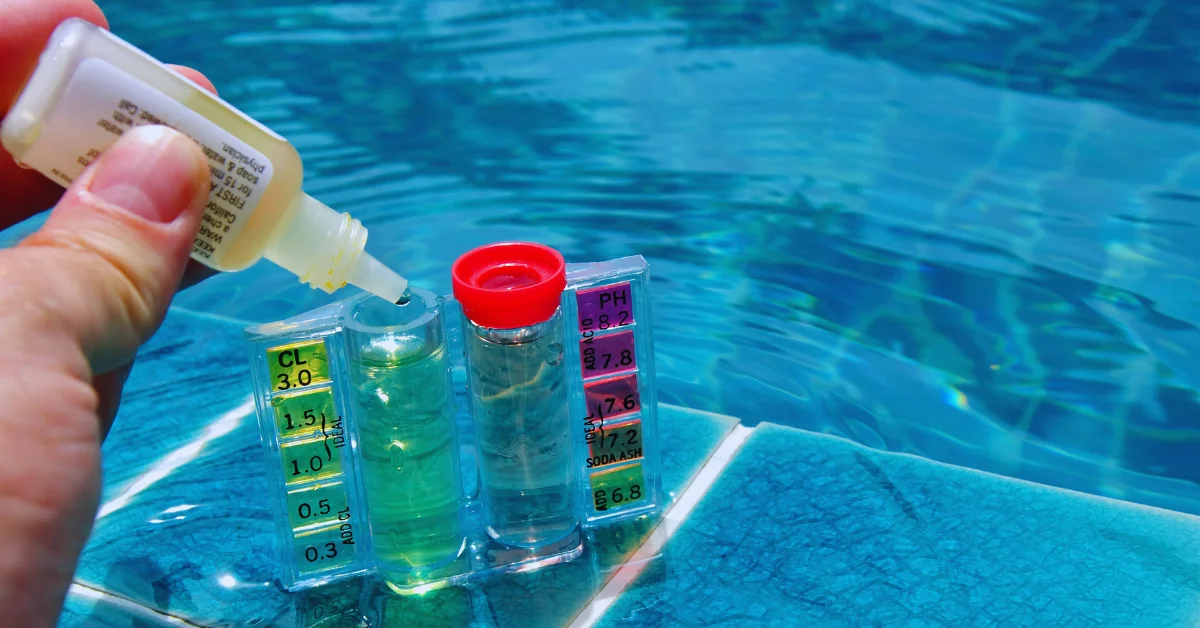
The pH level should be kept between 7.2 and 7.6 for comfortable swimming. If the pH is too low, the water becomes acidic, leading to skin and eye irritation and damage to pool equipment. If too high, chlorine becomes less effective, allowing bacteria and algae to grow. You should test your pH at least two to three times per week. Proper pH balancing is the first step toward swimming pool maintenance water quality standards.
Chlorine
Chlorine disinfects the water and eliminates germs, algae, and bacteria. The ideal chlorine range is 1.0 to 3.0 ppm. Without proper chlorine levels, even clear water can be unsafe. You can choose liquid chlorine, tablets, or salt chlorinators, depending on your pool system. Regular testing ensures the chlorine remains effective.
Alkalinity
Total alkalinity acts as a buffer for pH, helping it stay stable. The ideal range is 80–120 ppm. Low alkalinity causes rapid pH fluctuations, while high alkalinity makes pH difficult to adjust. Maintaining proper alkalinity makes the rest of the chemistry easier to control.
Calcium Hardness
Calcium hardness protects your pool surfaces and equipment. If levels are too low, the water becomes corrosive; if too high, scale buildup forms on pool mosaic tiles and equipment. The best range is 200–400 ppm. Regular testing prevents long-term damage.
TDS (Total Dissolved Solids)
High TDS levels affect the clarity and overall chemistry of pool water. Ideally, TDS should remain below 1500 ppm. If levels rise too high, partial water replacement may be necessary.
Understanding Pool Filtration
Pool filtration plays a critical role in maintaining clean, safe, and crystal-clear water — just as important as balancing the chemical levels. Even if your pool’s chemistry is perfect, poor filtration can still lead to cloudy water, algae growth, and circulation issues. The filtration system works continuously to remove dirt, oils, debris, and microscopic particles that chemicals alone cannot break down. Among the most widely used options are sand filters, cartridge filters, and DE (Diatomaceous Earth) filters, each offering unique advantages. Sand filters remain a popular choice for residential pools due to their low cost and simple maintenance requirements.
Cartridge filters, on the other hand, offer superior filtration and require less water during cleaning, making them an efficient and eco-friendly option. DE filters provide the highest level of clarity, making them ideal for commercial pools or clients who demand exceptionally clean water. At Atlantic Pools, we help customers choose, install, and maintain the right pool filtration system tailored to their pool size, usage, and budget — ensuring long-term water clarity and a consistently enjoyable swimming experience.
Read More: Swimming Pool Equipment Guide – What Every Pool Owner Needs to Know
Role of Circulation and Pumping
Proper water circulation is essential for keeping the entire pool evenly sanitized. Without it, dead zones form—areas where algae and bacteria can grow. A high-quality pool pump circulates the water through the filtration system, ensuring even chemical distribution. Experts recommend running your pump at least 8–12 hours per day, depending on pool size and usage. Poor circulation also leads to cloudy water and increased chemical demand. Atlantic Pools offers modern, energy-efficient pool pumps that help maintain these circulation standards without increasing electricity costs. Efficient pumping keeps your pool healthy and reduces maintenance work.
Weekly Pool Water Maintenance Routine
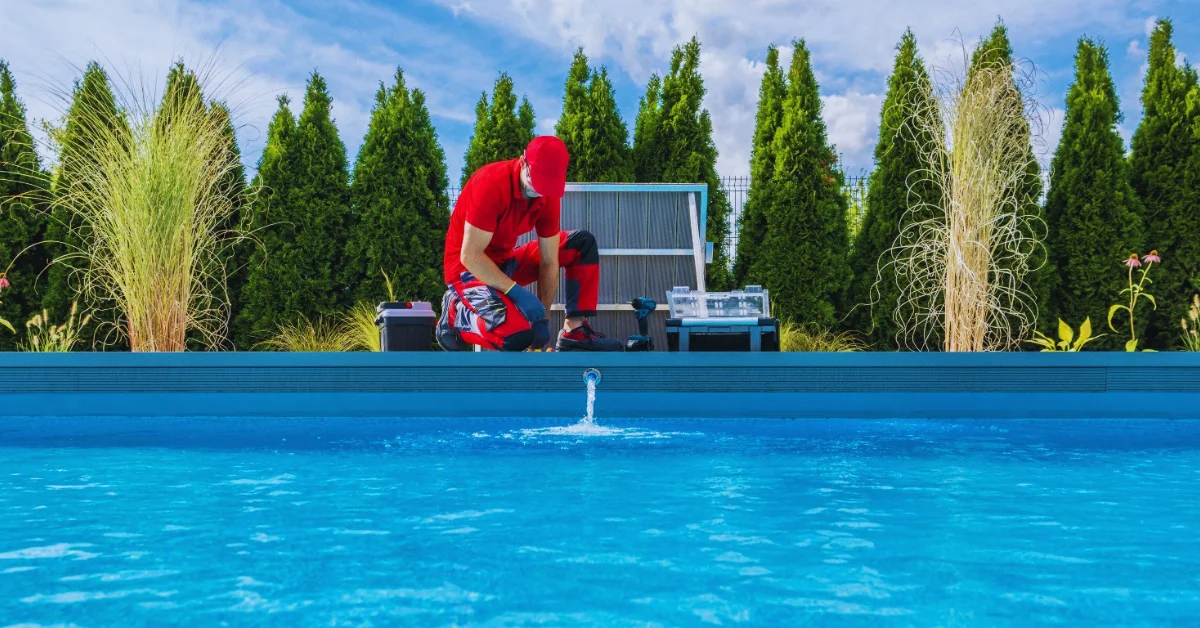
A consistent weekly maintenance routine is the key to preventing major water problems and reducing long-term repair costs. Daily skimming, regular brushing, and proper circulation help keep your pool clean and extend the life of your pool equipment. Testing pool water chemistry frequently ensures your sanitizer levels stay balanced, especially during peak swimming months. Keeping an eye on filter pressure and equipment performance allows you to catch issues before they become expensive repairs. By following a simple routine, you can maintain healthy, clear, and swim-ready water throughout the season. For those who prefer expert care, Atlantic Pools provides professional and reliable pool maintenance services tailored to your needs.
Quick Weekly Tasks at a Glance:
- Skim the surface daily to prevent debris from clogging the filtration system.
- Brush walls and vacuum the pool to remove algae before it spreads.
- Test water chemistry twice a week, especially during summer usage.
- Backwash the filter when pressure rises 8–10 psi above normal.
- Inspect all pool equipment for leaks, noises, or performance issues.
Direct Sunlight & Environmental Effects
Environmental factors play a major role in how quickly your pool water chemistry shifts, especially in outdoor pools. Direct sunlight exposes the water to strong UV rays, which rapidly break down chlorine & reduce its sanitizing power. This means your pool may require more frequent chlorine adjustments. Rainwater can dilute chemicals and alter pH, alkalinity, and calcium hardness levels, making regular testing essential after every rainfall. Hot temperatures accelerate algae growth and increase the demand for sanitizers and shock treatments. Additionally, wind carries dirt, pollen, leaves, and dust into the pool, affecting clarity and putting extra load on your filtration system. Understanding how these elements influence your pool helps you stay ahead with a smart plan that keeps your water balanced.
Preventing and Treating Algae
Here are some tips and tricks for preventing and treating algae:
- Algae can spread quickly in warm climates like Pakistan, with green, yellow, and black algae each requiring different levels of treatment and care.
- Maintain proper chlorine levels and brush the pool regularly to stop algae from attaching to walls, floors, and hard-to-reach corners.
- If algae appears, apply a quality algaecide and shock the pool, allowing the chemicals enough time to break down and kill all growth.
- Ensure your pool filtration and circulation systems run efficiently, since stagnant or poorly circulated water encourages algae bloom.
- Invest in durable pool brushes, vacuums, and premium chemicals, recommended by Atlantic Pools, to keep the water clean and permanently algae-free.
Choosing the Right Pool Equipment
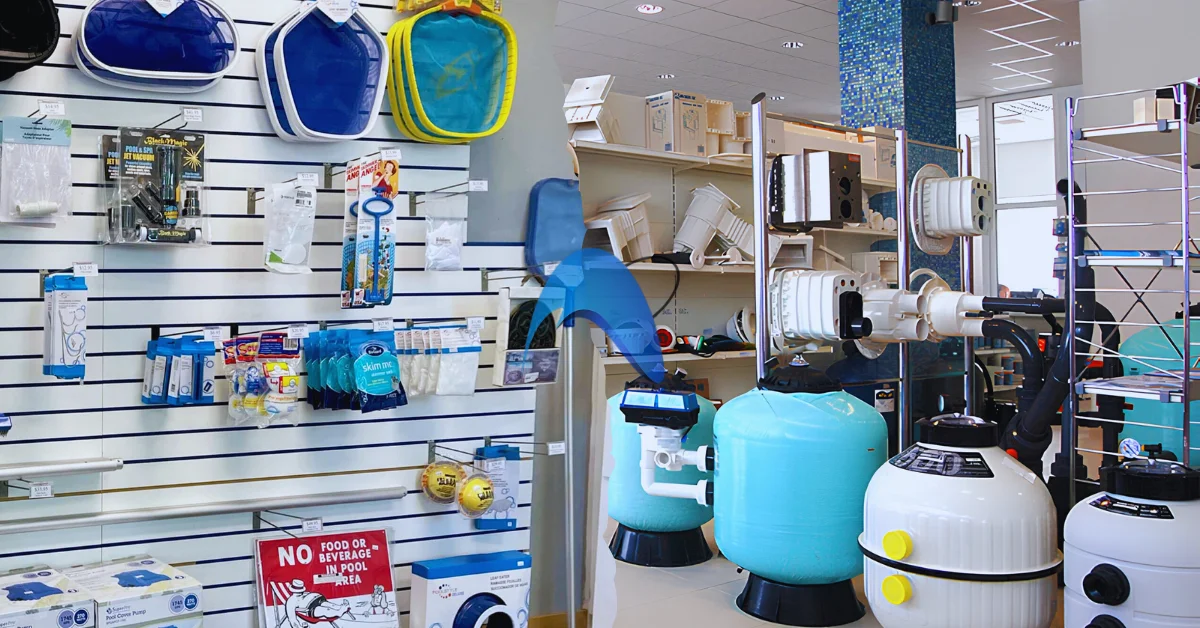
Selecting high-quality pool equipment is essential for maintaining crystal-clear water and extending the lifespan of your pool. Atlantic Pools is the largest pool equipment supplier in Lahore and offers top-of-the-line pool filters, pumps, heaters, lighting, and cleaning accessories designed for efficiency and durability. Using cheap or substandard equipment can lead to frequent breakdowns, inconsistent pool water chemistry, and increased maintenance costs. Investing in reliable tools ensures your pool operates smoothly, stays energy-efficient, and is easier to maintain. With the right setup, you enjoy hassle-free pool care and long-term savings, while keeping your swimming water safe and pristine.
Conclusion
Maintaining the quality and chemistry of your swimming pool water pool water filtration is essential for both health and enjoyment. By understanding key factors such as pH balance, chlorine levels, alkalinity, and calcium hardness, pool owners can prevent common problems like cloudy water, algae growth, and scaling. Proper filtration and circulation are equally important, ensuring that debris, oils, and impurities are consistently removed. Environmental factors such as sunlight, rain, and temperature changes also play a role, requiring regular monitoring and adjustments.
Establishing a weekly maintenance routine, including skimming, brushing, vacuuming, and periodic shocking, keeps the pool water clean and safe. Investing in quality pool service and professional services from trusted providers like Atlantic Pools can simplify maintenance, reduce long-term costs, and extend the life of your pool. With consistent care and expert support from Atlantic Pools, your swimming pool will remain a sparkling, healthy oasis year-round.
FAQs
How often should I test my swimming pool water?
You should test the water at least 2–3 times per week, especially in summer.
What causes cloudy pool water?
Cloudiness is usually caused by poor filtration, high TDS, or unbalanced chemistry.
What is the ideal pH level for swimming pool water?
The recommended pH range is 7.2–7.6.
How do I prevent algae in my pool?
Maintain chlorine levels, brush weekly, run your pump daily, and shock the pool regularly.