

Owning a swimming pool is a joy—it brings fun, relaxation, and memorable moments with family and friends. But as any experienced pool owner will tell you, with that enjoyment comes responsibility. Pool safety equipment isn’t just a “nice-to-have”—it’s essential. Proper tools help prevent accidents, injuries, and even tragic incidents, especially around children and pets.
From life-saving devices to slip-prevention gear, having the right safety equipment shows you know what matters most: protecting lives and your investment. Experts agree that many pool accidents happen not because pools are unsafe, but because essential safety measures are missing or neglected. By choosing reliable, well-maintained safety solutions, you create a safer space for everyone while enjoying your pool with peace of mind.
In this guide, we’ll walk you through a complete list of pool safety equipment every pool owner should have to swim safely and confidently.
Understanding Common Pool Safety Risks
Swimming pools are fun, but they come with risks every pool owner should know. Understanding these hazards helps you take smart steps to protect your family, guests, and pets while enjoying your pool safely.
- Drowning, especially among children, can happen silently and quickly.
- Slippery pool decks can cause falls, fractures, or head injuries.
- Faulty electrical equipment or pool lighting may create serious hazards.
- Unsupervised pool access increases the risk for children and pets.
- Poor visibility around the pool can delay emergency response.
- Lack of clear signage can lead to confusion about depth or rules.
Being aware of these dangers is the first step to prevention. Choosing the right swimming pool safety equipment—like life rings, alarms, and secure fencing—helps reduce risks and gives you confidence that your pool is a safe, enjoyable space for everyone.
A Complete List of Swimming Pool Safety Equipment
1. Pool Fencing: The First Important Safety Barrier
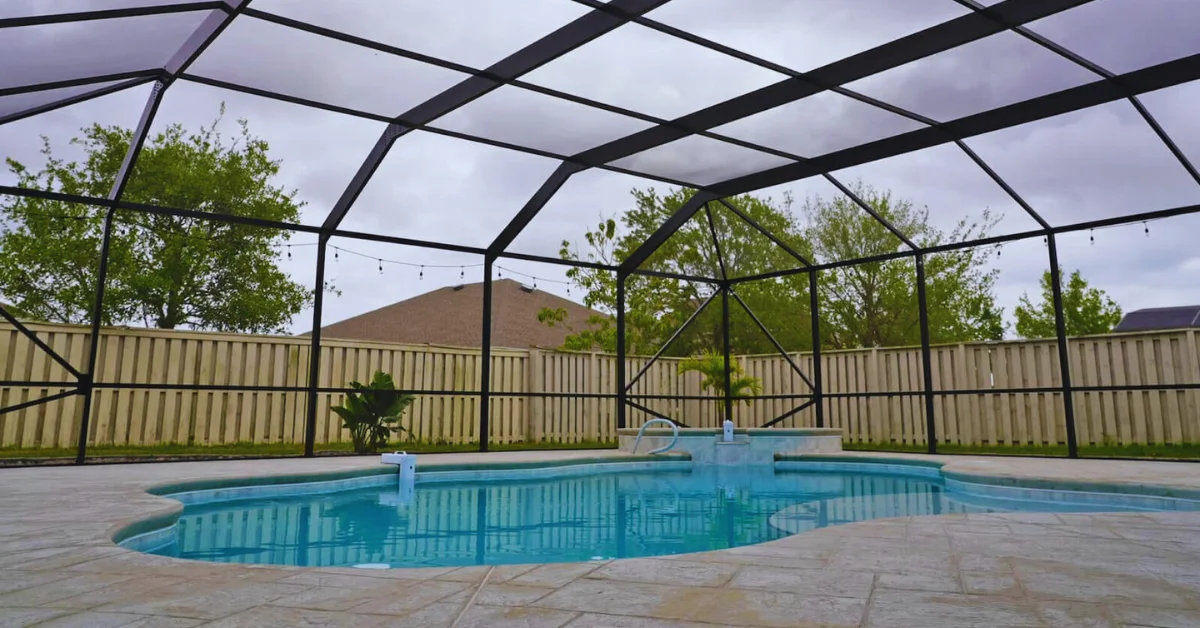
Pool fencing is one of the most effective safety measures for preventing unauthorized or accidental access. A properly installed pool safety fence acts as a physical barrier that limits entry, especially for children. Most safety regulations require pool fences to meet specific height and locking standards. Common pool fencing options include mesh fences, aluminum fencing, and frameless glass barriers. In short, swimming pool fencing significantly reduces drowning risks and is considered a foundational safety requirement.
2. Pool Covers: Preventing Accidental Falls and Unauthorized Access
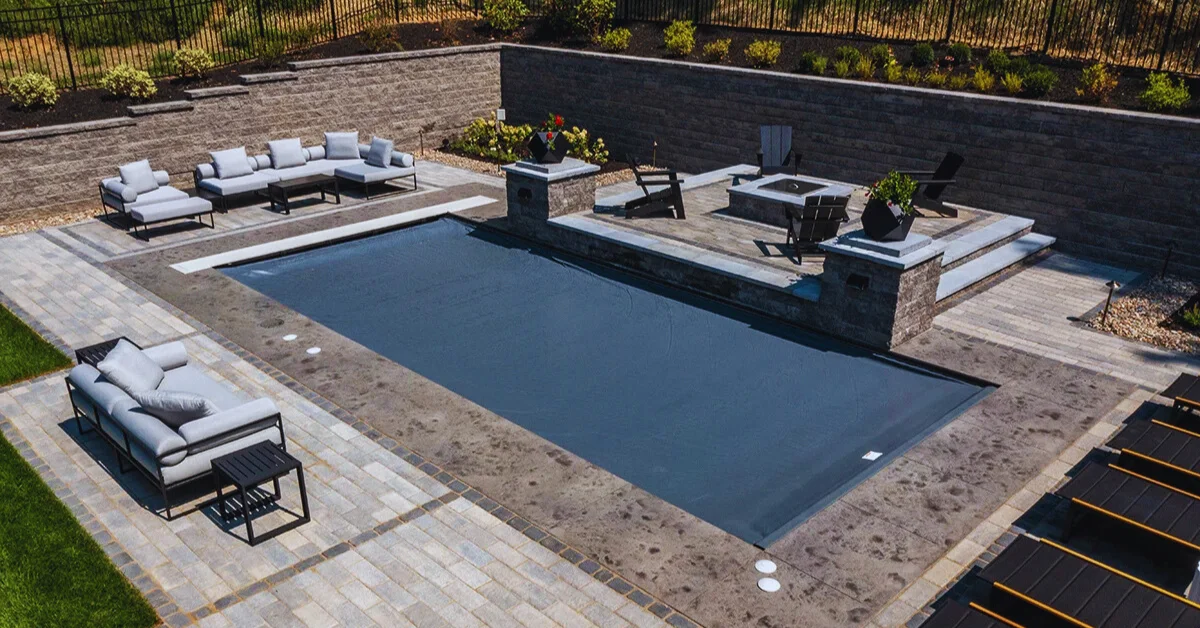
Safety pool covers add a critical layer of protection when your swimming pool is not actively in use. Unlike standard pool covers, certified safety pool covers are engineered to support weight, significantly reducing the risk of accidental falls. This makes them especially important for households with children or pets.
A properly installed safety cover acts as a physical barrier that helps prevent unauthorized access to the pool area. Pool owners who prioritize safety often consider covers a non-negotiable feature. When used consistently, safety pool covers greatly lower the risk of pool-related accidents. They provide peace of mind during both daily downtime and extended periods of non-use.
3. Pool Alarms: Early Detection & Emergency Alerts
Pool alarm systems serve as early warning devices that alert owners to unexpected pool entry. These alarms are especially valuable for homes with children or frequent visitors. Surface wave alarms detect water movement when someone enters the pool. Subsurface alarms monitor underwater disturbances for enhanced accuracy. Gate and door alarms notify owners when pool access points are opened. In short, pool alarms improve response time during emergencies, potentially preventing serious accidents. Many modern pool alarms integrate with smart home systems for instant alerts. Regular testing ensures alarm reliability and effectiveness.
4. Lifesaving Equipment: Every Pool Should Have
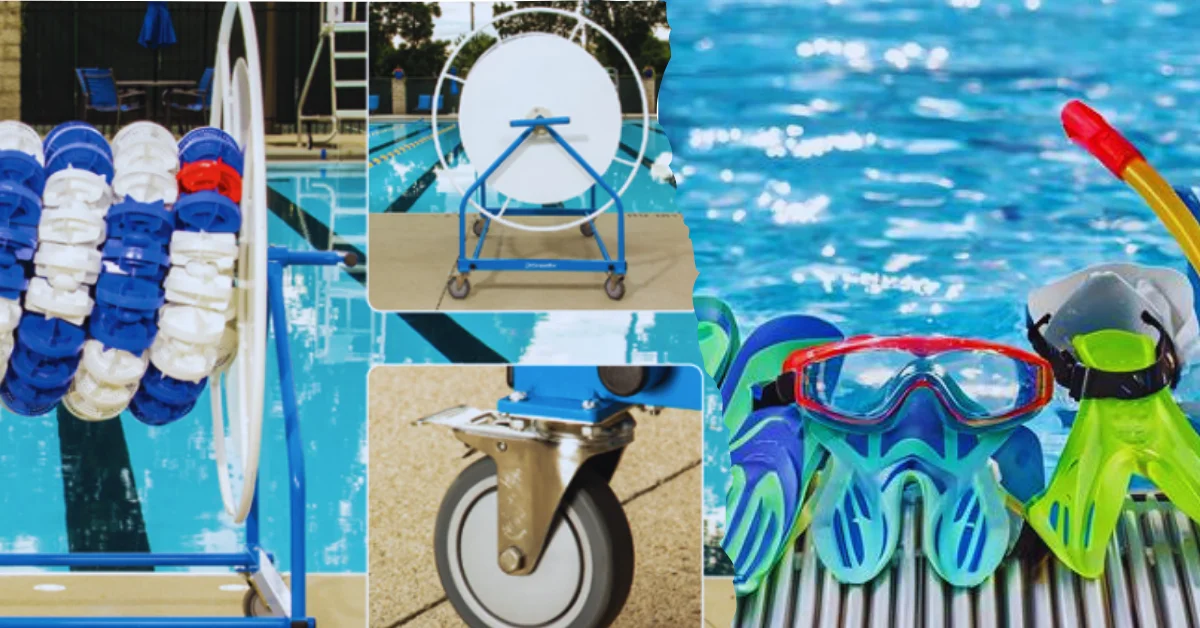
Every pool area should have basic lifesaving tools to respond quickly in emergencies. Proper placement and visibility of these tools are crucial, so help is immediately available when it’s needed most. Pool owners should also learn how to use the swimming pool safety equipment correctly.
Common lifesaving pool equipment includes:
- Life rings for reaching and supporting someone in distress
- Rescue tubes for safe water assistance
- Reaching poles to pull a person to safety
Regular inspection ensures all equipment works properly and is undamaged. Having these tools readily available can make the difference between life and death. Preparedness, combined with knowledge of proper usage, is a key part of keeping your pool safe for everyone.
👉 Read More: Benefits of Regular Pool Inspections
5. Non-Slip Pool Decking and Safety Signage
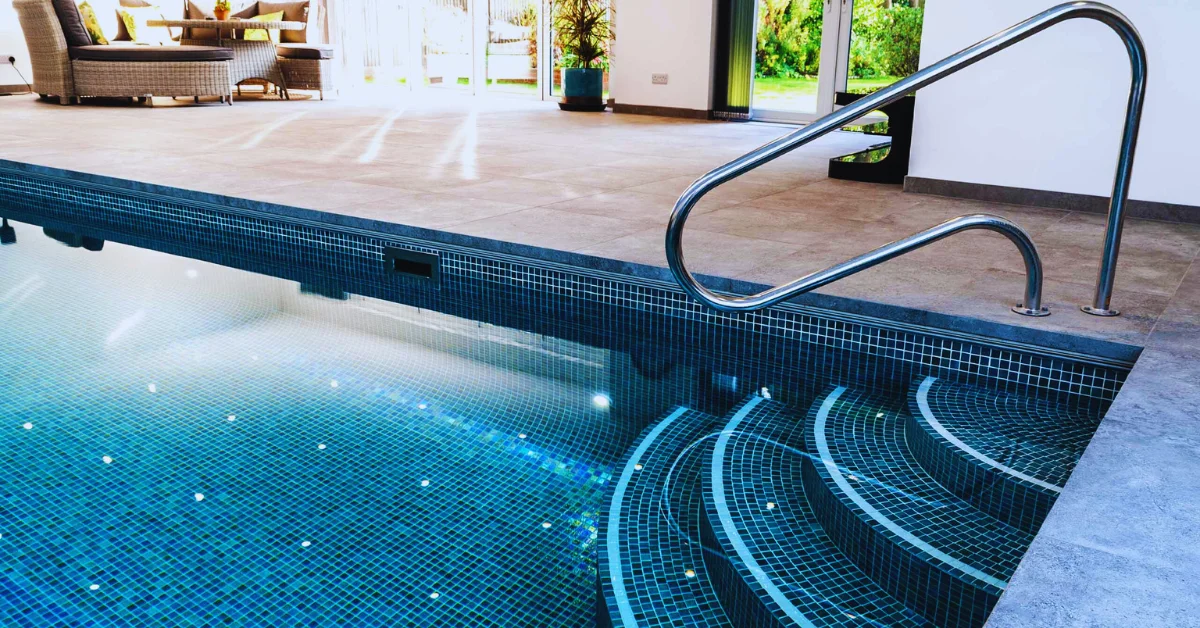
Slip-resistant pool decking is essential for preventing falls around wet pool areas. Non-slip surfaces reduce the risk of injuries caused by slipping on wet tiles or concrete. Pool owners can choose textured mosaic tiles, rubber mats, or specialized coatings. Clear safety signage reinforces pool rules and enhances awareness.
Depth markers help swimmers understand water levels before entering. Warning signs remind users about diving restrictions and wet surfaces. Visible signage improves safety for guests unfamiliar with the pool layout. Maintaining deck surfaces prevents wear that can reduce traction. Together, decking and signage create a safer pool environment.
6. Pool Lighting for Enhanced Visibility and Safety
Proper pool lighting is essential for nighttime swimming and overall safety. Underwater pool lights improve visibility inside the pool, reducing the risk of collisions or missteps. Deck and pathway lighting help prevent trips and falls around the pool area. Well-lit pools allow quicker identification of emergencies. Energy-efficient LED pool lighting offers long-lasting performance and reduced energy costs. Lighting should be evenly distributed to eliminate dark spots. In short, pool lighting plays a critical role in accident prevention.
7. First Aid Kits & Emergency Preparedness
A poolside first aid kit is an essential safety resource for handling minor injuries and emergencies. Kits should include bandages, antiseptics, gloves, and basic medical supplies. CPR instructions or training materials should be easily accessible. Pool owners should establish a clear emergency action plan. Emergency contact numbers should be posted near the pool area. Regularly checking and restocking first aid kits ensures readiness. On the other hand, preparedness reduces panic during emergencies.
Keep Your Pool Safety Equipment in Top Condition
Consistent pool maintenance keeps your pool safety equipment reliable and ready when it matters most. Regularly check fences, covers, alarms, and lifesaving tools for damage or wear. Clean and lubricate parts to keep everything working smoothly, and replace faulty items quickly to avoid risks.
Seasonal inspections by swimming pool experts help you catch problems early and stay prepared before peak swimming time. Working with trusted professionals like Atlantic Pools, known for providing best swimming pool maintenance services in Lahore, ensures expert pool care, proper upgrades, and compliance with safety standards. This proactive approach protects your pool, reduces costly repairs, and keeps every swimmer safe.
Conclusion
Investing in essential pool safety equipment is not just a smart step—it’s a responsibility every pool owner should take seriously. From secure fencing and durable covers to alarms and lifesaving tools, each element plays a key role in preventing accidents. With the right setup and regular maintenance, you create a safer space where everyone can relax and enjoy without constant worry.
Pool safety works best when everyone stays aware and involved. By choosing quality equipment and keeping it in good condition, you reduce risks, follow safety standards, and protect your loved ones. In my experience, a well-prepared pool brings true peace of mind—so you can focus on making safe, happy memories for years to come.
Hire Professional Pool Maintenance Experts Today!
FAQs
What is the most important pool safety equipment?
Pool fencing is considered the most important pool safety equipment as it prevents unauthorized access and reduces drowning risks.
Are pool alarms required for residential pools?
Requirements vary by location, but pool alarms are highly recommended for added safety and faster emergency response.
How often should pool safety equipment be inspected?
Pool safety equipment should be inspected at least once per season or more frequently during heavy use periods.
Do safety pool covers really prevent accidents?
Yes, certified safety pool covers are designed to support weight and prevent accidental falls into the pool.
Is pool lighting necessary for safety?
Yes, proper pool lighting improves visibility, prevents accidents, and supports safe nighttime swimming.