

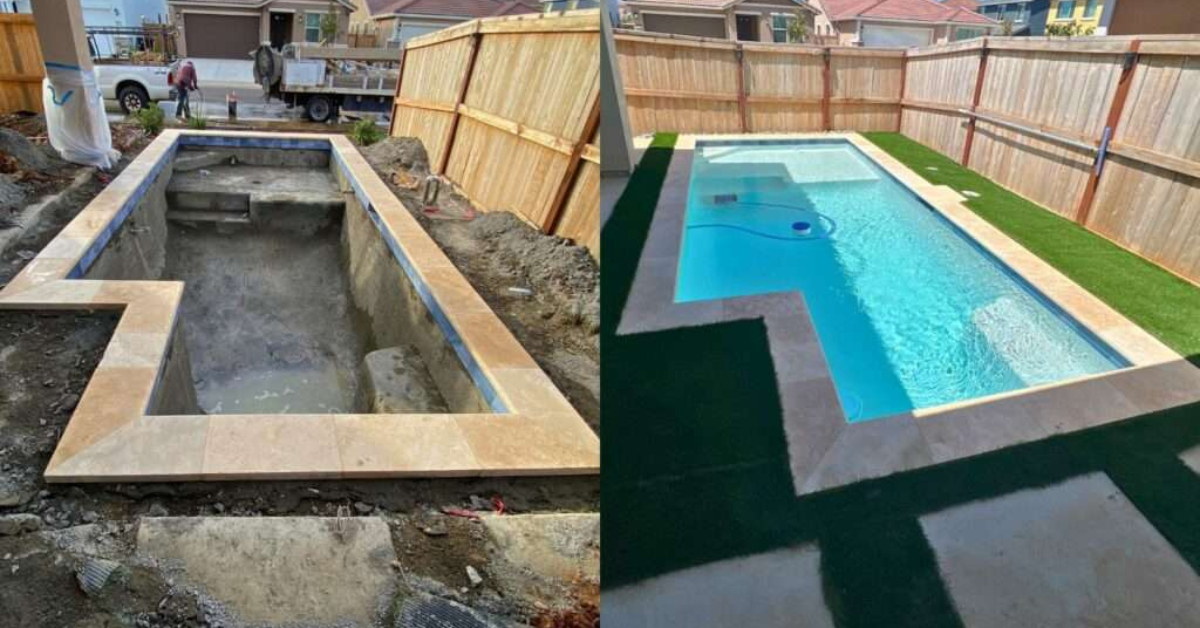
Swimming pool construction is a complex process that combines architectural planning, structural engineering, waterproofing technology, and luxury finishing techniques to create a durable and visually appealing aquatic environment. Modern swimming pools are no longer considered simple recreational spaces; they have become premium lifestyle features that enhance property value, outdoor aesthetics, and overall user experience. Whether constructing a residential swimming pool, a rooftop plunge pool, or a commercial aquatic facility, every project requires precise planning and professional execution from start to finish. The pool construction process involves several important stages including design planning, excavation, structural reinforcement, plumbing installation, waterproofing, interior finishing, and final testing. Each phase contributes directly to the durability, safety, functionality, and long-term performance of the swimming pool.
Initial Planning and Pool Design
The planning and design phase serves as the foundation of every successful swimming pool project. This stage focuses on understanding the client’s requirements, evaluating available space, and developing a design that balances aesthetics, functionality, and structural efficiency. Proper planning helps reduce construction errors, manage project budgets effectively, and improve long-term pool performance.
Understanding Client Requirements
Professional pool designers begin by analyzing the client’s lifestyle needs, design preferences, and budget expectations. Some property owners prioritize luxury aesthetics and entertainment features, while others focus on fitness, recreation, or commercial functionality.
Choosing Pool Shape and Dimensions
Swimming pool size and shape are selected according to the property layout and intended usage. Popular options include rectangular pools, infinity pools, freeform designs, rooftop pools, plunge pools, and lap pools.
3D Visualization and Design Approval
Modern pool companies use advanced 3D rendering software to create realistic visual previews before construction begins. These digital models help clients review pool depth, tile finishes, lighting placement, landscaping ideas, and water features in detail.
Site Inspection and Ground Preparation
Before excavation begins, a detailed site inspection is necessary to evaluate soil conditions, drainage systems, structural stability, and accessibility. Soil testing helps determine whether the ground can safely support the swimming pool structure without future settlement issues or cracking risks. Uneven surfaces and poor drainage conditions can negatively affect waterproofing performance and overall structural durability if not properly addressed during the early stages.
Important Site Preparation Factors
- Soil stability analysis
- Ground leveling assessment
- Drainage system inspection
- Underground utility checking
- Accessibility evaluation
- Structural safety planning
- Environmental condition assessment
Proper site preparation creates a stable foundation for construction and helps minimize future maintenance problems caused by soil movement or water accumulation around the pool structure.
Excavation Process
Excavation is the first major physical stage in swimming pool construction and involves transforming the approved design into an actual structural layout. Contractors carefully mark the pool dimensions before using excavation machinery to dig according to the required shape and depth. Accuracy is extremely important during this stage because incorrect excavation can affect structural balance, plumbing installation, and waterproofing efficiency. Atlantic Pools focuses on precise excavation planning to ensure strong structural foundations and long-term pool durability.
Excavation also includes debris removal, surface leveling, and preparation for reinforcement installation. Large commercial swimming pools may require additional support systems and deeper excavation because of their increased water volume and operational load. Weather conditions and soil quality can also influence excavation timelines and construction efficiency. A properly excavated pool provides the structural foundation necessary for durable and long-lasting construction.
Structural Reinforcement and Framework
Swimming pool strength and durability depend heavily on the quality of structural reinforcement and engineering techniques used during construction. Steel reinforcement bars are installed throughout the pool shell to strengthen the structure and distribute water pressure evenly across walls and flooring surfaces. This reinforcement process significantly reduces the risk of cracks, structural shifting, and long-term damage.
Main Structural Components
Steel Rebar Installation
Steel bars create a strong internal framework that improves load resistance and structural stability.
Wall and Floor Reinforcement
Reinforced concrete walls and floors provide long-term durability against water pressure and environmental stress.
Structural Support Systems
Large pools often require additional support systems to maintain stability and prevent ground movement damage.
Plumbing and Electrical Installation
Swimming pool plumbing and electrical systems are essential for maintaining water circulation, filtration efficiency, lighting functionality, and operational performance. Professional contractors install circulation pipelines, drainage systems, skimmers, return jets, and water inlet systems before the concrete shell is completed. Proper plumbing design ensures smooth water movement and prevents stagnation or filtration issues.
Electrical installation includes underwater LED lighting systems, heating controls, automated equipment connections, and safety grounding systems. Waterproof electrical fittings are used to reduce operational risks in wet environments. Modern swimming pools increasingly incorporate smart automation technologies that allow users to control filtration, lighting, and heating through digital systems and mobile devices.
Key Installation Features
- Water circulation pipelines
- Filtration system connections
- Pool drainage systems
- Underwater lighting installation
- Smart automation controls
- Electrical safety grounding
- Heating system integration
Concrete Application and Pool Shell Construction
Concrete application forms the primary structural shell of the swimming pool and is one of the most important stages in the construction process. Contractors typically use shotcrete or gunite methods to spray high-strength concrete onto the reinforced steel framework. This creates a durable and watertight structure capable of handling constant water pressure and environmental exposure.
After the concrete shell is completed, a curing process begins to strengthen the structure and reduce the risk of cracking. Proper curing improves long-term durability and prepares the surface for waterproofing and finishing applications. Large swimming pools require precise concrete engineering to maintain accurate dimensions and smooth finishing quality. Atlantic Pools focuses on high-quality swimming pool construction service and durable structural engineering to ensure long-lasting swimming pool performance.
Waterproofing and Leakage Protection
Waterproofing is one of the most critical stages in swimming pool construction because it protects the structure from leakage, moisture penetration, and long-term structural deterioration. Poor waterproofing can lead to water seepage, tile damage, concrete weakening, algae growth, and expensive repair costs over time. Modern swimming pools use advanced waterproofing systems to create durable protective barriers against continuous water pressure and environmental exposure.
Common Waterproofing Techniques
- Cementitious waterproof coatings
- Liquid membrane waterproofing
- Polyurethane waterproof systems
- Crystalline waterproofing compounds
- Epoxy-based waterproof layers
- Flexible sealants for expansion joints
Surface Preparation Before Waterproofing
Before waterproofing materials are applied, the concrete surface must be cleaned, leveled, and repaired properly. Any cracks, holes, or uneven areas are treated to improve material bonding and waterproofing effectiveness.
Leakage Prevention Solutions
Professional waterproofing systems help prevent water seepage through pool walls and floors. Expansion joints, crack sealants, and protective coatings are installed to reduce the risk of future leakage problems caused by pressure changes or environmental movement.
Waterproof Testing Procedures
After waterproofing applications, contractors perform water retention and leak detection tests to ensure complete protection before tile installation begins. Pools are monitored for several days to identify any seepage issues or pressure-related weaknesses.
Proper waterproofing significantly improves pool durability and reduces long-term maintenance expenses. High-quality waterproofing techniques also protect decorative finishes such as mosaic tiles and plaster surfaces from moisture damage and structural failure.
Pool Tile Installation and Interior Finishes
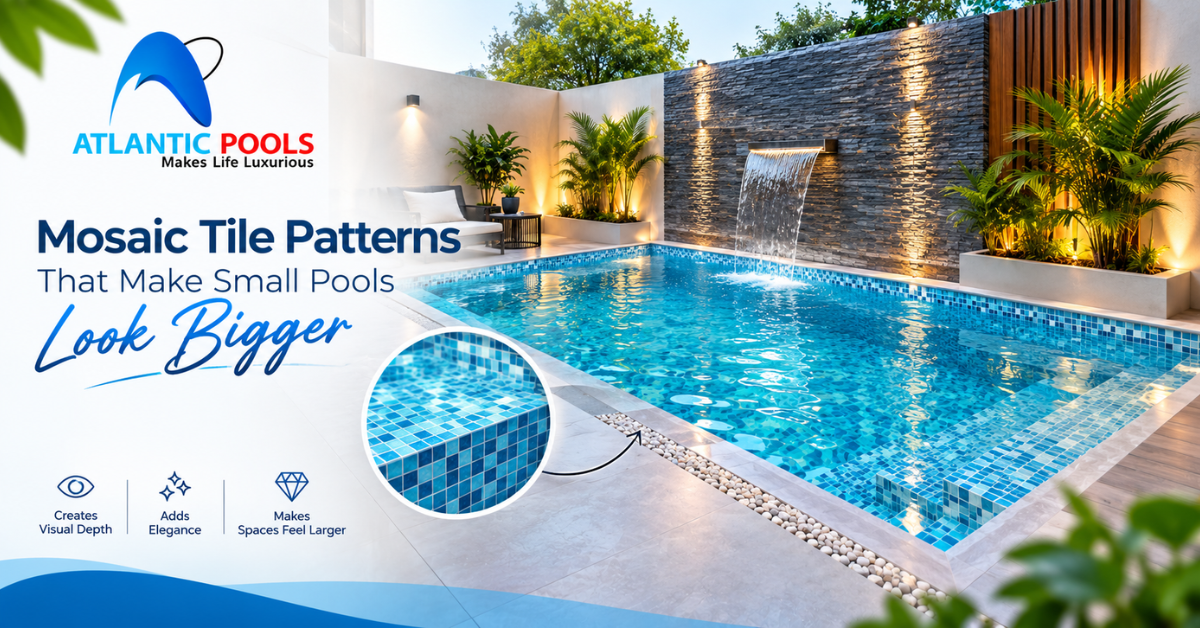
Pool tile installation enhances both the durability and visual appeal of the swimming pool. Mosaic tiles, porcelain finishes, natural stone coping, and textured surfaces help create luxurious outdoor environments while improving surface protection. Interior finishes also influence maintenance requirements, water appearance, and overall aesthetic quality.
Popular Pool Finishing Elements
- Glass mosaic tiles
- Porcelain pool finishes
- Decorative coping stones
- Underwater LED lighting
- Infinity edge detailing
- Anti-slip deck surfaces
- Textured luxury finishes
Modern swimming pool designs often combine artistic tile layouts with smart lighting systems to create premium resort-style aesthetics for residential and commercial properties.
Filtration Systems and Water Treatment Setup
Swimming pool filtration systems are responsible for maintaining clean, safe, and hygienic water conditions. Pumps, filters, skimmers, and circulation systems work together to remove dirt, debris, bacteria, and contaminants from the water. Proper filtration improves water clarity, prevents algae growth, and extends the lifespan of pool finishes and equipment.
Advanced swimming pools now use automated filtration technologies and smart monitoring systems for improved operational efficiency. Chemical balancing systems also help maintain healthy water conditions and protect swimmers from harmful bacteria or imbalanced pH levels. Efficient circulation systems are especially important for commercial swimming pools where water quality standards must remain consistently high.
Final Inspection and Pool Testing
Before the swimming pool is completed, contractors perform detailed inspections and testing procedures to ensure quality, durability, and operational safety. Plumbing systems, waterproofing layers, filtration equipment, lighting systems, and structural components are thoroughly checked for performance and compliance.
Final Testing Procedures
- Leak detection testing
- Water circulation evaluation
- Filtration system inspection
- Electrical safety checks
- Pool lighting testing
- Water chemistry balancing
- Structural quality assessment
Professional inspections help identify minor issues before project handover and ensure smooth long-term pool operation.
Read more: Complete List of Pool Safety Equipment for Safe Swimming
Pool Handover and Maintenance Guidance
After successful testing and inspection, the swimming pool is officially handed over to the property owner with detailed maintenance instructions and operational guidance. Property owners are educated on filtration cleaning, water chemistry balancing, tile care, and seasonal maintenance practices to maintain long-term performance and aesthetics.
Routine maintenance inspections help identify small issues before they become major structural problems. Professional care also improves equipment lifespan, water quality, and overall operational efficiency. Atlantic Pools continues to provide modern swimming pool solutions with attention to engineering quality, waterproof durability, and luxury finishing standards for residential and commercial projects.
Conclusion
The swimming pool construction process involves multiple carefully planned stages that work together to create a durable, efficient, and visually appealing aquatic environment. From design planning and excavation to waterproofing, filtration installation, and luxury finishing, every step plays a vital role in ensuring long-term structural performance and user satisfaction. Proper waterproofing and leakage prevention techniques are especially important for protecting the pool structure against future damage and maintenance issues. Modern construction technologies now combine engineering precision, smart systems, and premium aesthetics to deliver high-quality swimming pool experiences. Atlantic Pools continues to deliver durable swimming pool solutions with advanced construction methods, waterproofing expertise, and premium finishing standards for both residential and commercial aquatic projects.
FAQs
What is the first step in swimming pool construction?
The first step is planning and design, where pool size, layout, budget, and structural requirements are finalized.
Why is waterproofing important in swimming pools?
Waterproofing prevents leakage, protects the structure from moisture damage, and improves long-term durability.
Which waterproofing technique is best for swimming pools?
Cementitious coatings, polyurethane waterproofing, and liquid membrane systems are among the most effective waterproofing solutions for pools.
How long does pool construction usually take?
The construction timeline depends on pool size and complexity, but most projects take several weeks to a few months.
What causes swimming pool leakage?
Leakage can result from poor waterproofing, structural cracks, damaged plumbing systems, or improper construction methods.