

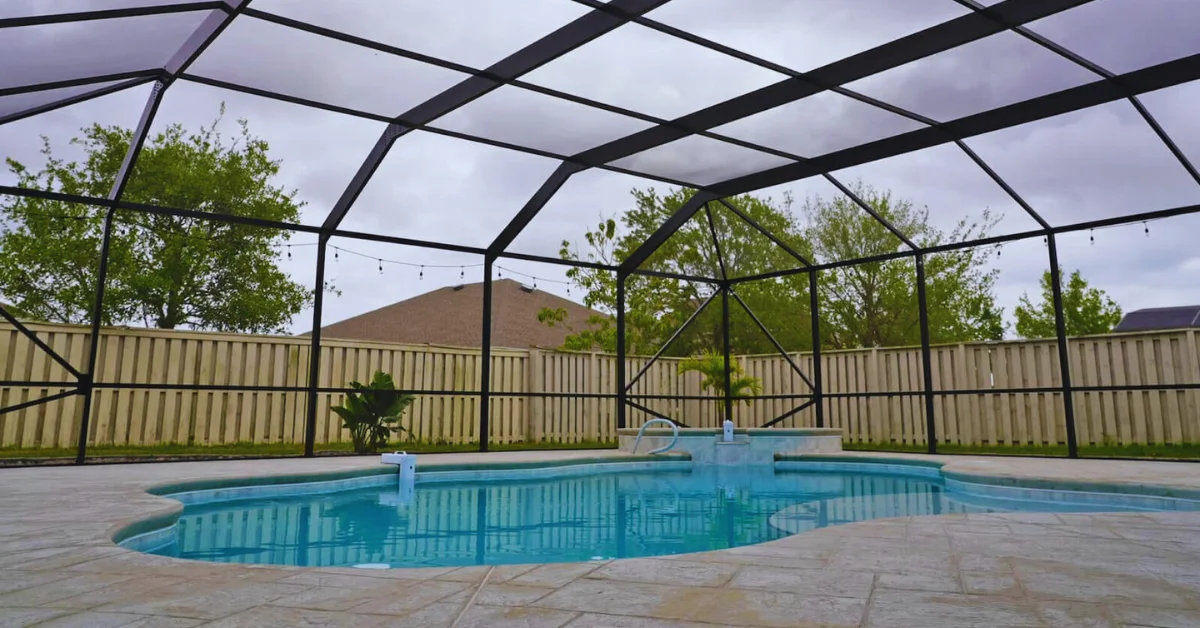
Swimming pool ownership often comes with a flood of advice, much of which is based on outdated practices or misconceptions. These pool maintenance myths are usually passed down through word of mouth, online forums, or unverified sources. While some myths sound logical, following them can lead to poor water quality, damaged equipment, and higher maintenance costs.
Many pool owners believe shortcuts will save time or money, but improper care often results in expensive repairs. Understanding the difference between myths and facts is essential for safe and efficient swimming pool maintenance. This guide debunks the most common swimming pool maintenance myths using expert-backed explanations. By learning the truth, pool owners can maintain cleaner, safer, and more cost-effective pools.
Myth 1: Clear Pool Water Means the Pool Is Clean
One of the most common pool maintenance myths is that clear water automatically means the pool is safe. In reality, harmful bacteria, algae spores, and contaminants can exist even when the water looks crystal clear. Chlorine levels may be too low to eliminate microorganisms, creating hidden health risks. Without proper testing, pool water can quickly become unsafe for swimmers. Clear water can still have imbalanced pH levels, leading to skin irritation and eye discomfort. Regular water testing is the only reliable way to confirm cleanliness. Pool professionals recommend testing chlorine, pH, alkalinity, and calcium hardness weekly.
Myth 2: Adding More Chlorine Keeps the Pool Cleaner
Many pool owners believe that increasing chlorine levels guarantees cleaner water, but this is a misleading pool maintenance myth. Excessive chlorine can damage pool surfaces, equipment, and liners over time. Over-chlorination also causes skin irritation, red eyes, and unpleasant odors. Effective sanitation depends on balanced water chemistry, not chlorine overload.
When pH levels are incorrect, chlorine becomes less effective regardless of quantity. Maintaining proper pH allows chlorine to work efficiently without excess use. Shocking the pool occasionally is useful, but constant overuse is unnecessary. Pool maintenance experts emphasize balance rather than quantity. Proper chemical management results in cleaner water, safer swimming, and reduced chemical costs.
Myth 3: Pool Filters Don’t Need Frequent Cleaning
Another widespread pool maintenance myth is that filters only need attention when problems occur. In reality, pool filters require regular cleaning to function efficiently. Dirty filters restrict water flow, forcing the pump to work harder and consume more energy. This increases electricity costs and accelerates equipment wear. Clogged filters also reduce water clarity and circulation. Different filter types—cartridge, sand, and DE—have unique maintenance requirements. Routine cleaning helps maintain optimal filtration performance.
Myth 4: Pool Pumps Should Run 24/7
Running pool pumps continuously is a common misunderstanding among pool owners. This pool maintenance myth leads to unnecessary energy consumption and higher utility bills. Most pools only require 8–12 hours of daily circulation, depending on size and usage. Continuous operation causes excessive wear on pumps and motors. Modern variable-speed pumps offer efficient circulation at lower speeds. Using timers and automation ensures optimal pump operation. Shorter run times still maintain clean water when combined with proper filtration.
Myth 5: Algae Only Grows in Dirty Pools
Algae growth is often blamed solely on poor cleanliness, but this belief is another misleading pool maintenance myth. Algae can grow even in well-maintained pools if water chemistry is unbalanced. Poor circulation, low sanitizer levels, and warm temperatures encourage algae development. Shaded areas and stagnant water zones are common algae hotspots.
Regular brushing and circulation prevent spores from settling. Proper chemical balance is more important than appearance alone. Algae growth does not necessarily indicate neglect but rather imbalance. Preventive maintenance is the most effective defense. Understanding algae causes helps pool owners respond proactively.
Myth 6: DIY Pool Maintenance Is Always Cheaper
Many homeowners assume do-it-yourself care saves money, but this pool maintenance myth often proves costly. Incorrect chemical dosing can damage pool surfaces and equipment. Missed maintenance tasks lead to bigger, more expensive repairs. DIY mistakes can shorten pump, filter, and heater lifespan. Professional services identify problems early and ensure proper care. Pool experts use precise testing and equipment for accurate maintenance. While DIY care works for basic cleaning, complex issues require expertise. Long-term costs are often lower with professional maintenance. Smart pool owners balance DIY efforts with expert support.
Myth 7: Rainwater Helps Balance Pool Chemistry
Some believe rainwater improves pool chemistry, but this is another false pool maintenance myth. Rainwater is acidic and can disrupt pH and alkalinity levels. Heavy rainfall dilutes chlorine, reducing sanitization effectiveness. Contaminants from the environment also enter the pool during rain. After rainfall, pools often require chemical rebalancing. Ignoring post-rain maintenance leads to cloudy water and algae growth. Testing water after rain is essential for accuracy. Adjustments restore safe swimming conditions. Proper post-rain care prevents long-term chemical issues.
Myth 8: Seasonal Pool Maintenance Myths
Seasonal changes bring additional misconceptions about pool care. Some pool owners believe maintenance is unnecessary during cooler months. However, neglecting winter pool care causes equipment damage and algae buildup. Summer maintenance myths include skipping testing due to frequent swimming. High usage actually requires more frequent testing and cleaning. Temperature changes affect chemical reactions and circulation needs. Seasonal adjustments ensure consistent water quality year-round. Pool maintenance should adapt, not stop, with the seasons. Understanding seasonal requirements prevents costly reopening issues. Proper planning keeps pools functional in all climates.
Read More: Common Swimming Pool Problems and Their Best Solutions
Expert Pool Maintenance Tips You Can Trust
Here are a few tips by Atlantic Pools’ experts to keep your swimming pool clean, safe, and well-maintained. Consistent care and attention to detail ensure your pool remains enjoyable year-round. Regular water testing, proper filtration, and timely pool equipment inspections prevent costly issues and maintain optimal performance. Using energy-efficient pumps and automated systems reduces operating costs while keeping circulation effective. Combining smart daily habits with professional guidance ensures long-lasting results and crystal-clear water. Follow these expert-backed tips to protect your pool investment and enjoy a safe swimming environment.
- Consistency is key: Regular care and maintenance prevent costly problems and ensure pool longevity.
- Test water frequently: Check chlorine, pH, alkalinity, and other chemicals to maintain safe, balanced water.
- Ensure proper filtration and circulation: Keeps water clear and prevents algae or debris buildup.
- Schedule equipment inspections: Early detection of issues prevents sudden breakdowns and expensive repairs.
- Use energy-efficient pumps and automation: Reduces electricity costs while maintaining optimal performance.
- Clean filters and brush surfaces regularly: Enhances circulation, removes debris, and maintains water quality.
- Rely on professional expertise when needed: Precision and experience ensure long-lasting results.
- Avoid common pool myths: Fact-based care leads to smarter maintenance decisions.
Conclusion
Understanding and avoiding pool maintenance myths is essential for maintaining a healthy, efficient swimming pool. Myths often promise convenience but deliver costly problems. Fact-based care ensures clean water, safe swimming, and reliable pool equipment performance. Balanced chemistry, proper filtration, and smart circulation form the foundation of effective maintenance. Regular testing and professional guidance prevent unnecessary issues. Pool owners who follow proven practices enjoy lower costs and better performance. Education is the key to long-term pool success. By separating myths from facts, you protect your investment. Smart pool care begins with accurate information and informed decisions.
FAQs
What are the most common pool maintenance myths?
Some of the most common pool maintenance myths include believing that:
- Clear water means clean water
- Running pool pumps 24/7
- Using excessive chlorine for better sanitation.
These misconceptions can lead to higher costs and equipment damage.
Is it safe to swim in a pool if the water looks clear?
Not always. Clear water can still contain harmful bacteria or imbalanced chemicals. Regular water testing is essential to ensure proper sanitation and swimmer safety.
How often should pool water be tested?
Pool water should be tested at least once or twice a week, especially during peak swimming seasons, to maintain proper chemical balance and prevent algae growth.
Does running the pool pump longer improve water quality?
No. Running a pool pump longer than necessary wastes energy and increases wear on equipment. Most pools require only 8–12 hours of circulation daily for optimal performance.