

Selecting the right pool construction materials is one of the most important decisions when building a swimming pool. The choice of material affects not only the pool’s durability but also its maintenance, aesthetic appeal, and overall cost. Different materials offer varying levels of longevity, design flexibility, and installation complexity. Homeowners in Pakistan and worldwide often face the challenge of balancing budget, functionality, and style while choosing pool materials. With the right material, your pool can remain beautiful, safe, and functional for decades. This guide explores the most popular pool construction materials, their advantages, limitations, and maintenance considerations.
Why Choosing the Right Pool Material Matters
The material you select for your pool determines its lifespan, maintenance requirements, and visual appeal. Durable materials reduce the need for frequent repairs and help maintain water quality over time. Some materials require minimal maintenance, while others need regular resurfacing or liner replacement. Energy efficiency is also affected by material choice, as certain surfaces retain heat better, reducing heating costs.
In addition, aesthetics and design flexibility vary across pool construction materials, impacting the pool’s overall style. Choosing the right material ensures safety, durability, and cost-effectiveness. For example, concrete allows custom shapes but requires more maintenance, while fiberglass is low-maintenance but comes in standard shapes. Understanding the trade-offs between materials is essential for building a pool that suits your lifestyle, budget, and long-term goals. Proper planning with expert guidance guarantees a high-quality, lasting pool.
Concrete Pools: Pros and Cons
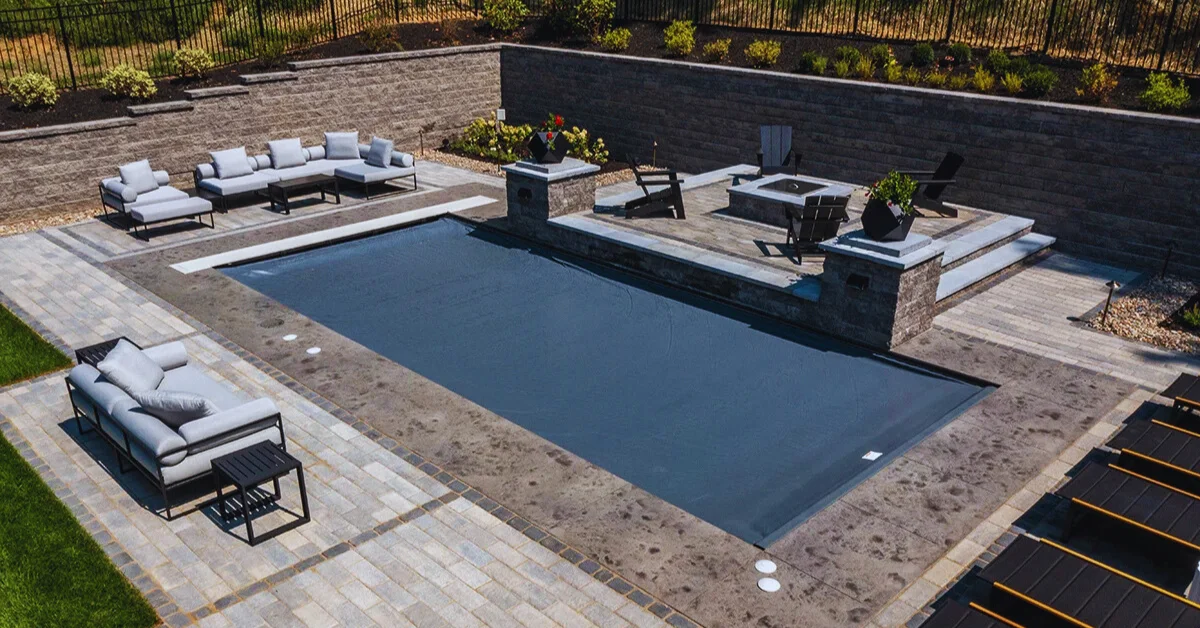
Concrete pools are renowned for their strength, versatility, and long lifespan. They allow unlimited customization in shape, size, and depth, making them ideal for creative designs and luxurious features. The solid construction ensures durability, even under heavy usage and varying weather conditions. Concrete surfaces can be finished with plaster, tiles, or aggregates for a polished look. However, concrete pools come with higher initial construction costs and longer installation times compared to other pool construction materials.
Maintenance is also more demanding, requiring periodic resurfacing to prevent cracks and staining. Despite these drawbacks, concrete remains a top choice for homeowners seeking a premium, custom-built pool. Atlantic Pools specializes in designing and constructing concrete pools that combine aesthetic beauty with structural integrity. With proper maintenance, a concrete pool can provide decades of enjoyment, making it a worthy long-term investment.
Fiberglass Pools: Benefits and Limitations
Fiberglass pools have become a popular choice for homeowners seeking durability, low maintenance, and quick installation. Their prefabricated structure and smooth finish make them an efficient and long-lasting pool solution. Below are a few key benefits that make fiberglass pools a smart investment.
- Low maintenance surface that is smooth and non-porous, helping prevent algae growth and reducing chemical usage over time.
- Faster installation compared to concrete pools, allowing homeowners to enjoy their pool within a few weeks while saving on labor costs.
- Strong and flexible structure that resists cracking and adapts well to ground movement and temperature changes.
- Long lifespan with minimal resurfacing needs, making fiberglass pools a reliable long-term investment.
- Comfortable and safe finish that is gentle on skin, ideal for families and frequent swimmers.
- Cost-effective over time, as reduced maintenance and repair expenses help balance the initial investment.
Vinyl Liner Pools: Overview
Vinyl liner pools are a cost-effective option for homeowners looking for flexibility in design and shape. The vinyl liner provides a smooth surface that is comfortable for swimmers and reduces algae buildup. Initial installation costs are lower compared to concrete and fiberglass pools. One of the main benefits is easy customization, as vinyl liners can be fitted to various pool shapes and sizes.
However, liners are susceptible to tears and punctures, requiring replacement every 8–15 years. Regular maintenance is essential to prolong liner life, including balanced water chemistry and careful handling. Despite this, vinyl pools remain popular for their affordability, flexibility, and ease of installation. Atlantic Pools guides clients in selecting durable, high-quality liners to maximize the lifespan and performance of vinyl liner pools.
Eco-Friendly Pool Construction Materials
Sustainable pool construction materials are gaining popularity among environmentally conscious homeowners. Options such as recycled concrete, eco-friendly liners, and natural stone minimize environmental impact while maintaining durability. Solar heating systems and energy-efficient coatings reduce energy consumption and operating costs. These materials not only contribute to sustainability but also enhance long-term cost savings.
Eco-friendly pools require careful planning to balance aesthetics, functionality, and energy efficiency. Atlantic Pools integrates green construction practices, recommending pool construction materials that minimize environmental footprint without compromising quality or style. Investing in eco-friendly materials ensures a pool that is both luxurious and responsible, offering an energy-efficient swimming experience while supporting sustainable living.
Pool Decking and Surround Materials
The materials surrounding your pool are as important as the pool itself, contributing to safety, aesthetics, and durability. Concrete decking is versatile, durable, and affordable, providing a solid surface for poolside activities. Natural stone and pavers offer elegance and slip resistance, enhancing the pool’s visual appeal. Wood and composite decking create a warm, stylish atmosphere while being eco-friendly and low-maintenance. Proper material selection ensures longevity, comfort, and safety for swimmers. Atlantic Pools advises clients on choosing decking materials that complement their pool design, climate, and budget, creating a cohesive and attractive pool area.
Cost Comparison of Pool Materials
Construction costs vary significantly depending on the material. Concrete pools have the highest upfront costs due to labor-intensive installation and premium pool construction materials. Fiberglass pools are moderately expensive but save money on long-term maintenance. Vinyl liner pools are the most affordable initially but require liner replacements over time. Maintenance costs, resurfacing, and energy usage also affect overall expenses. Atlantic Pools helps clients evaluate both short-term and long-term costs to select the most cost-effective option without compromising quality or design. Understanding the financial implications of each material ensures an informed and budget-friendly decision.
Read More: How to Choose the Right Swimming Pool Design
Durability and Lifespan of Different Pool Construction Materials
Concrete pools typically last 25+ years with proper maintenance, while fiberglass pools can last 20–30 years. Vinyl liner pools generally require liner replacement every 10–15 years. Durability depends on installation quality, maintenance, and environmental factors. Choosing a durable material reduces repair costs and ensures a long-lasting pool experience. At Atlantic Pools, our experts focus on high-quality construction and professional installation to maximize the lifespan of every pool. Proper care and maintenance tailored to the chosen material significantly extend durability and maintain aesthetic appeal.
Design Flexibility and Customization
Concrete offers unlimited design possibilities, allowing custom shapes, waterfalls, and infinity edges. Fiberglass pools are prefabricated but available in several stylish designs. Vinyl liner pools offer flexibility in shapes and liner patterns. Color, finish, and accessory options also impact aesthetics and usability. Atlantic Pools works with clients to integrate functional and creative features, ensuring a unique, visually stunning pool that matches personal preferences and landscape design. Proper planning ensures the pool is both practical and architecturally appealing.
Conclusion
Choosing the right pool construction materials is crucial for durability, aesthetics, and cost-effectiveness. Concrete, fiberglass, and vinyl each have unique advantages, and the decision depends on budget, maintenance preference, and design goals. Eco-friendly materials and energy-efficient systems further enhance sustainability and reduce long-term costs. At Atlantic Pools, we ensure expert guidance, high-quality materials, and professional installation to create safe, durable, and visually stunning pools. By selecting the right materials and following proper maintenance practices, homeowners can enjoy a luxurious swimming experience that lasts for decades. Contact Atlantic Pools today to design and build your dream pool using the best construction materials and professional expertise.
FAQs
Which is the best material for a swimming pool?
Concrete is ideal for custom designs, fiberglass for low maintenance, and vinyl for affordability and flexibility.
How long does a concrete pool last?
With proper care, a concrete pool can last 25+ years.
Are fiberglass pools durable?
Yes, fiberglass pools are highly durable, resistant to algae, and typically last 20–30 years.
Can eco-friendly materials reduce pool costs?
Yes, using recycled or energy-efficient pool construction materials reduces long-term maintenance and energy costs.
How do I choose the right material for my budget?
Consider initial cost, maintenance, lifespan, and design flexibility. Atlantic Pools provides expert consultation for optimal choice.