

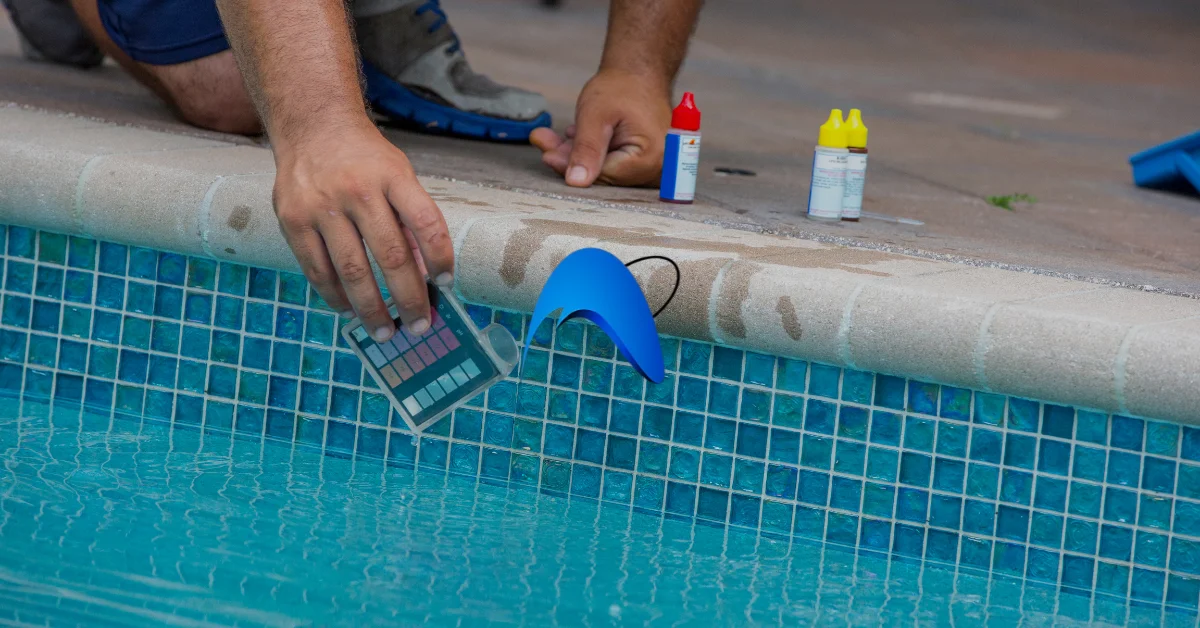
A sparkling pool doesn’t just happen—it’s maintained through consistent & accurate water testing. Balanced water keeps your pool inviting, safe, and long-lasting. Many owners assume clear water means clean water, but imbalanced chemicals can still cause skin irritation, corrosion, and algae growth. Regular pool water testing ensures that chlorine, pH, and other parameters stay within the ideal range for health and comfort. It also helps detect issues early before they escalate into costly problems. With proper testing, you’ll enjoy water that meets swimming pool water quality parameters while extending the life of your pool equipment. Whether you’re a homeowner or manage a commercial facility, understanding how to test and adjust your water is key to maintaining quality.
This guide explains every detail—from equipment selection to interpretation—so your pool stays fresh, clear, & perfectly balanced all year round.
Understanding the Science Behind Balanced Pool Water
Behind every sparkling, crystal-clear pool lies a precise balance of water chemistry that ensures both beauty and safety. Pool water testing isn’t just about clarity—it’s about achieving harmony between several key chemical components that work together to maintain ideal swimming conditions. Each parameter plays a specific role in keeping your pool safe, comfortable, and corrosion-free. Here’s a breakdown of the most important water quality factors to monitor:
- pH Level (7.2–7.8): The foundation of balanced pool water. A pH that’s too low leads to corrosion of metal fittings and irritation to eyes and skin, while too high a pH causes scaling, cloudy water, and reduced chlorine efficiency.
- Chlorine (1–3 ppm): The main disinfectant responsible for killing bacteria and preventing algae growth. Maintaining the correct chlorine level ensures effective sanitization without producing harsh odors or skin discomfort.
- Total Alkalinity (80–120 ppm): Acts as a buffer for pH, keeping it stable and preventing sudden fluctuations that could harm your pool surfaces or pool equipment.
- Calcium Hardness (200–400 ppm): Essential for protecting pool finishes and preventing etching or scaling on tiles and walls. Too little calcium can damage plaster, while too much leads to mineral deposits.
- Total Dissolved Solids (TDS): Represents the buildup of minerals, chemicals, and organic matter in your pool. High TDS levels indicate it’s time to partially replace the water to maintain clarity and chemical balance.
Signs Your Pool Water Needs Immediate Testing
Even the clearest pool water can hide chemical imbalances beneath the surface. Regular pool water testing helps ensure that your swimming environment remains clean, safe, and visually appealing. However, certain warning signs indicate that your pool needs immediate attention before the issue worsens. Ignoring these subtle changes can quickly lead to water contamination, structural damage, and costly maintenance involving intensive swimming pool water treatment chemicals.
One of the most common indicators of poor water balance is cloudy or milky water. This usually occurs when the pH is too high, sanitizer levels are too low, or the filtration system is not performing efficiently. Another warning sign is a strong chlorine odor, which often confuses pool owners. While many assume this smell means there’s too much chlorine, it actually signals the presence of chloramines—a compound formed when chlorine reacts with organic contaminants like sweat, body oils, or sunscreen.
If swimmers experience itchy skin or red, irritated eyes, it’s another clear sign that the pool’s pH or chlorine balance is off. Likewise, a green or yellow tint in the water indicates algae growth, typically resulting from low chlorine levels or inadequate circulation. Stains or white scaling on tiles and pool walls often suggest an imbalance in calcium hardness, leading to mineral buildup or corrosion.
👉 Don’t wait for the problem to grow—get expert help for your pool now!
Essential Tools and Equipment for Accurate Testing
Choosing the right swimming pool water testing equipment is essential to maintaining consistent water quality and reliable results. No matter the pool size, accurate testing prevents chemical imbalance, algae growth, and cloudy water. Every tool serves a specific purpose, helping pool owners monitor essential parameters like pH, chlorine, and alkalinity with precision and ease. Here are some essential tools and equipment that ensure your pool water testing is accurate, efficient, and hassle-free.
Test Strips
For quick daily checks, pool water test strips are the simplest option. They’re affordable, easy to use, and provide instant readings for key parameters. By dipping the strip into the water and comparing the colors to the provided chart, you can quickly assess whether your pool’s balance is on track. While convenient, test strips are best for routine spot checks rather than highly precise measurements.
Liquid Reagent Kits
When greater accuracy is needed, liquid reagent test kits come into play. These kits involve adding a few drops of reagent to a water sample, producing a color change that indicates chemical concentration. They can measure pH, chlorine, calcium hardness, and total alkalinity with impressive accuracy. Although they take more time to use than test strips, liquid kits are widely trusted by pool technicians for their reliability and detailed readings.
Digital Testers
For those who prefer precision and convenience, pool water digital testing kits are the modern choice. These electronic testers deliver instant readings on digital screens, minimizing the risk of human error. Some advanced models even store data, allowing you to track trends over time and maintain a detailed record of your pool’s chemistry. While they require a higher initial investment, digital testers provide unmatched accuracy for both residential and commercial pool owners.
Investing in Quality
Regardless of the testing method, investing in a high-quality swimming pool water test kit pays off in the long run. Look for durable tools that include clear color charts, calibrated droppers, and reliable reagents. Regularly replacing old or exposed test kits ensures your results remain accurate and consistent. High-quality testing tools not only save money and effort but also protect your pool’s structure, equipment, and overall water balance.
How to Test Swimming Pool Water Accurately
Regular pool water testing ensures a clean, safe, and perfectly balanced swimming environment. By following a few simple steps, you can detect issues early and keep your pool sparkling all season long.
- Begin by collecting a water sample from at least 18 inches below the surface—away from return jets or skimmers—to ensure an unbiased sample.
- Dip the test strip or use the reagent kit according to the manufacturer’s instructions.
- For pool water digital testing kits, immerse the probe and let it analyze automatically.
- Record results for parameters such as pH, chlorine, alkalinity, and hardness, then compare them with the recommended swimming pool water features and quality standards.
- Adjust levels as necessary using appropriate swimming pool water treatment chemicals.
- Always rinse your tools thoroughly after use to avoid contamination.
- Conduct this test at least once or twice weekly to maintain healthy water balance.
By making pool water testing a routine, you not only keep the water crystal clear but also protect your pool from damage and ensure a safe swimming environment for everyone.
👉 Read More: Common Swimming Pool Problems and Their Best Solutions
How Often Should You Test Your Pool Water?
When it comes to maintaining healthy, sparkling pool water, frequency is just as important as accuracy. Regular testing helps ensure that your pool’s chemistry stays within safe and stable ranges, preventing issues before they escalate. The ideal testing schedule depends on how your pool is used, the weather, and whether it’s a residential or commercial setup. For residential pools, it’s recommended to test the pH and chlorine levels two to three times per week. This helps you maintain consistent water quality and quickly address any chemical imbalances. On the other hand, commercial or public pools should undergo daily testing to comply with strict swimming pool water quality standards and safety regulations.
Environmental factors play a major role in how often you should test. Hot temperatures, heavy rainfall, or high swimmer activity can cause chemical levels to fluctuate rapidly. During these conditions, increase your testing frequency to prevent cloudy water or algae growth. Other parameters, such as calcium hardness and total dissolved solids (TDS), typically require testing every 2–4 weeks, as they change more gradually. Using modern pool water digital testing kits simplifies the process — many come with built-in reminders, data storage, and even trend analysis features to help you spot patterns over time.
Sustainable and Eco-Friendly Pool Care
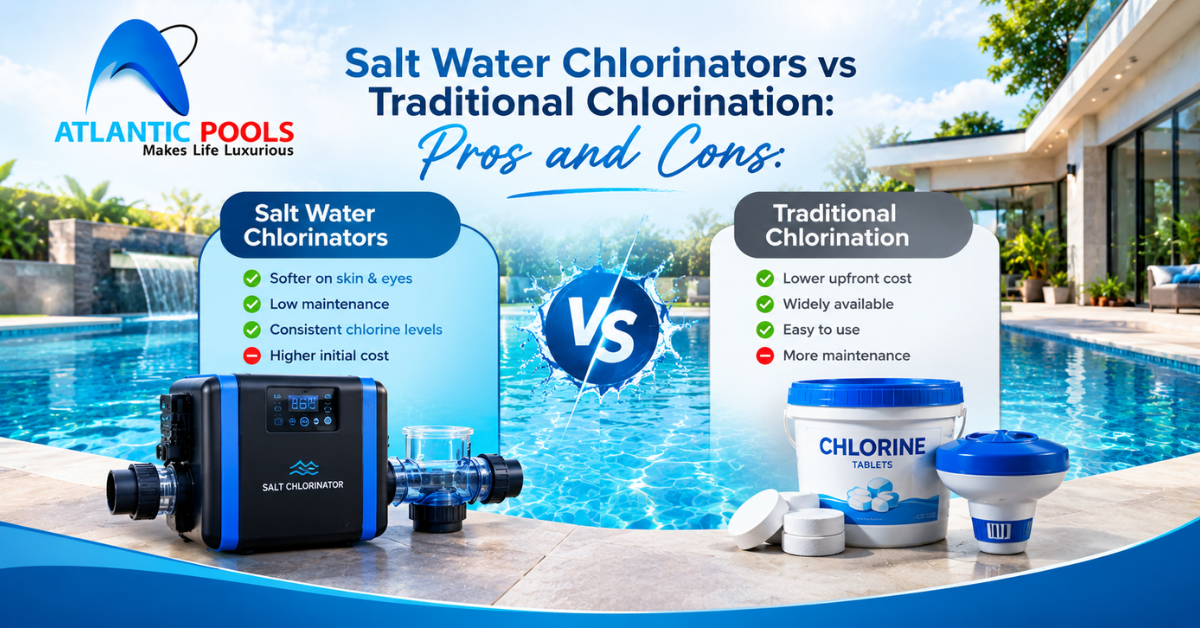
Today’s pool owners are embracing sustainability as an essential part of maintenance. By reducing chemical dependency and adopting greener alternatives, you can create a healthier pool and a cleaner planet. Natural or mineral-based sanitizers minimize harsh chemical use, while saltwater systems provide gentle chlorination and eliminate strong chlorine odors. Switching to solar-powered pool water pumps and energy-efficient filtration systems significantly lowers power consumption without compromising performance.
Opt for biodegradable or eco-certified pool water cleaners to keep your pool spotless while protecting aquatic life and the surrounding environment. Regular pool water testing also helps reduce unnecessary chemical dosing, ensuring balance and efficiency. Eco-friendly swimming pool water treatment methods not only save water and energy but also enhance swimmer comfort. A sustainably maintained pool stays clearer, lasts longer, and promotes a healthier outdoor lifestyle — benefiting both your backyard and the environment.
Conclusion
Regular water testing isn’t just a maintenance step—it’s the cornerstone of a healthy, sparkling swimming pool. Consistent monitoring ensures that your pool’s chemical balance stays within safe limits, preventing problems like cloudy water, algae growth, and surface damage. Thanks to modern swimming pool water testing equipment, even new pool owners can easily maintain precision and control over their pool’s chemistry. Atlantic Pools: Swimming Pool Experts can help you in choosing the right testing tools and techniques to keep your pool in top condition.
By testing routinely, you can catch imbalances early and make small corrections before they turn into costly repairs or require intensive swimming pool water treatment. When paired with proper filtration, circulation, and eco-friendly care practices, regular testing keeps your water clear, safe, and beautifully inviting. Ultimately, understanding your pool’s chemistry empowers you to create the perfect swimming environment—clean, balanced, and ready for relaxation anytime. Invest in a reliable pool water test kit, stay consistent with your schedule, and enjoy the peace of mind that comes with crystal-clear, perfectly balanced water all year long.
FAQs
How often should I test my swimming pool water?
You should test your pool water at least two to three times per week for residential pools. Commercial or public pools should be tested daily to maintain swimming pool water quality standards.
What is the ideal pH level for a swimming pool?
The optimal pH range is 7.2 to 7.8. This balance ensures chlorine works effectively, prevents corrosion, and keeps swimmers comfortable.
Are digital pool water testing kits more accurate than test strips?
Yes. Pool water digital testing kits provide more precise readings and often store data for trend tracking, making them ideal for both residential and professional use.
4. Why does my pool water look cloudy even after cleaning?
Cloudiness can result from high pH, poor filtration, or low sanitizer levels. Perform pool water testing and adjust chlorine or filtration settings to restore clarity.
What happens if I ignore regular pool water testing?
Neglecting routine testing can lead to algae growth, equipment damage, and unsafe swimming conditions. Regular testing keeps your pool balanced, safe, and cost-efficient.