

Are you dreaming of turning your backyard into a relaxing oasis? A well-built swimming pool isn’t just a luxury—it’s an investment in your comfort and lifestyle. Whether you want a space to unwind or entertain, understanding the swimming pool construction process can save you time, money, and headaches.
In this guide, we’ll walk you through every major step in pool construction, from site inspection to equipment installation—sharing expert tips along the way. So, let’s dive in!
Step 1. Site Inspection and Evaluation
The first step in the swimming pool construction journey is a detailed site inspection. This process assesses your landscape, soil, drainage, and available space. A proper inspection ensures your pool design fits your property and complies with local building codes. Professional builders from companies like Atlantic Pools thoroughly evaluate your site, providing valuable recommendations based on structural, aesthetic, and safety needs.
1.1 Understanding Soil Conditions
Soil condition plays a major role in determining the type of pool that can be built. Engineers assess whether the soil is sandy, rocky, or clay-heavy and determine if special reinforcement or drainage solutions are needed. Soil with poor bearing capacity can lead to structural instability, making this step crucial for long-term durability.
1.2 Checking Property Lines and Space
Precise measurement of property boundaries helps avoid legal and spatial issues. Builders confirm dimensions to ensure the pool fits well within your space, allowing room for decking, landscaping, and maintenance access. It’s not just about fitting the pool, but fitting it right!
1.3 Meeting Local Regulations
Your swimming pool must comply with zoning regulations, safety codes, and utility clearance requirements. Collaborating with a swimming pool consultant in Lahore ensures that the project meets all legal and environmental standards, avoiding future penalties or rework.
Step 2. Pool Design and Planning
Design is where vision meets reality. This phase includes selecting the pool shape, size, depth, features, and finishes. It involves 3D modeling, architectural sketches, and choosing materials that suit your lifestyle, budget, and landscape. Working with a professional swimming pool construction company ensures your pool is both functional and visually stunning.
2.1 Choosing the Right Pool Type
There are several pool types to consider:
- Concrete Pools: Durable, customizable, long-lasting
- Fiberglass Pools: Quick installation, low maintenance
- Vinyl Pools: Budget-friendly, flexible design options
Your selection will depend on your timeline, budget, and aesthetic goals.
2.2 Finalizing Size, Depth, and Features
Key decisions here include:
- Pool dimensions
- Depth levels for kids or diving
- Features like waterfalls, lights, jets
- Seating areas or tanning ledges
Every detail contributes to usability and appeal. A detailed layout also ensures accurate cost estimation.
2.3 Working with a Swimming Pool Consultant
Hiring a local pool expert helps tailor your design to your area’s climate and architectural norms. A oool consultant guides you through design decisions, provides practical solutions, and ensures your swimming pool construction process remains smooth and compliant.
Step 3. Getting Necessary Permits
Skipping permits can halt your pool project entirely. Permit requirements vary by location, and they typically include zoning approval, construction permits, and electrical safety clearance. Your swimming pool construction company handles this paperwork to ensure a hassle-free process.
3.1 Submitting Designs
The design documents submitted to the authorities include the pool layout, structural details, plumbing, and electrical plans. Timely submission helps avoid unnecessary delays and project standstills.
3.2 Permit Approval Process
Approval can take days or weeks, depending on local departments. Professionals monitor the process and address any feedback or required modifications to keep things moving forward.
👉 Read More: How to Choose the Right Swimming Pool Design
Step 4. Excavation and Framing
Once permits are secured, excavation begins. This is one of the most exciting and dramatic stages, where your backyard begins its transformation. Excavation involves digging the pool to match the exact design dimensions. After that, framing gives it a defined shape.
4.1 Marking the Pool Layout
Before digging, the pool outline is marked with stakes and strings. This allows both client and builder to visualize the pool’s actual footprint and make any last-minute design adjustments.
4.2 Excavation Process
Heavy-duty machinery digs the pool area, typically within a few days. The process must be precise to avoid issues with plumbing, walls, or shell stability. Debris is cleared, and the area is levelled before moving to the next step.
4.3 Installing Rebar or Framing System
Steel rebar is installed to strengthen the concrete structure. This step ensures that your pool will withstand water pressure, soil shifts, and time. Proper framing guarantees a durable and long-lasting structure.
Step 5. Plumbing and Electrical Setup
This stage installs the essential systems that keep your pool running safely and smoothly. Pipes and wiring are laid according to pre-approved plans.
5.1 Laying Pipes and Drains
Plumbers install circulation systems, skimmers, return lines, and main drains. This setup ensures efficient water flow and helps keep the water clean and well-filtered.
5.2 Installing Electrical Components
Electricians handle the installation of lighting, control panels, and grounding systems. This must follow strict safety standards to prevent hazards.
5.3 Role of Pool Equipment Suppliers
A reliable pool equipment supplier like Atlantic Pools ensures you get high-quality filters, heaters, pumps, and LED lights. Choosing the best equipment reduces maintenance and increases your pool’s lifespan.
Step 6. Pool Shell Construction
The concrete shell forms the pool’s main structure. The method (gunite or shotcrete) depends on your builder’s preference and design complexity.
6.1 Concrete (Gunite/Shotcrete) Application
Gunite or shotcrete is sprayed over the rebar framework, then hand-shaped by skilled workers. This step must be done carefully to avoid structural flaws.
6.2 Curing Time
The shell must cure for 7 to 10 days. This allows the concrete to harden properly, ensuring strength and preventing future cracks or leaks.
Step 7. Waterproofing and Sealing
To keep your pool leak-free, waterproofing is essential. This adds a protective layer over the concrete.
7.1 Ensuring Leak-Proof Shell
Materials like cementitious coatings or liquid membranes are applied. These create a barrier against moisture penetration, extending the life of your pool.
7.2 Material Options
Options include flexible membranes, epoxy sealants, and polyurethane coatings. Your builder selects the best fit based on your pool’s design and climate conditions.
Step 8. Tile, Coping, and Decking
This stage adds beauty and safety to your pool. Tile, coping, and decking are essential elements that define the look and functionality of your pool. These 3 things enhance the pool’s durability, appearance, and usability, creating a welcoming and long-lasting outdoor space.
8.1 Installing Pool Tiles
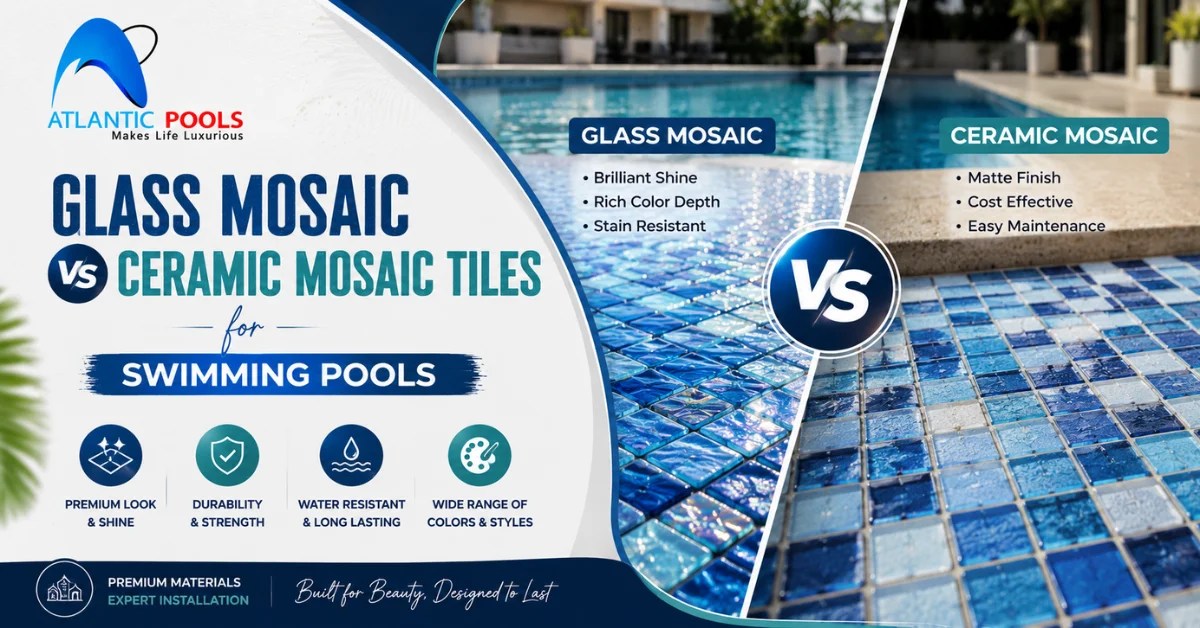
Tiles enhance aesthetics and make cleaning easier. They’re installed on waterline areas or across the entire interior, depending on your design.
8.2 Adding Coping for Edges
Coping protects the pool shell and creates a finished edge around the pool. It also serves as a grip point for swimmers and adds style.
8.3 Deck Finishing Options
Decking materials like stamped concrete, pavers, or wood create a non-slip surface. This area is important for seating, walking, and visual appeal.
Step 9. Equipment Installation
Now it’s time to add the systems that will operate your pool efficiently. Equipment installation is the stage where your pool becomes fully functional. This includes setting up vital systems like pumps, filters, heaters, and lighting to ensure smooth operation and comfort. Proper installation not only boosts efficiency but also extends the lifespan of your pool equipment. At this point, your pool is getting closer to being ready for safe, enjoyable use.
9.1 Pool Pump and Filter Setup
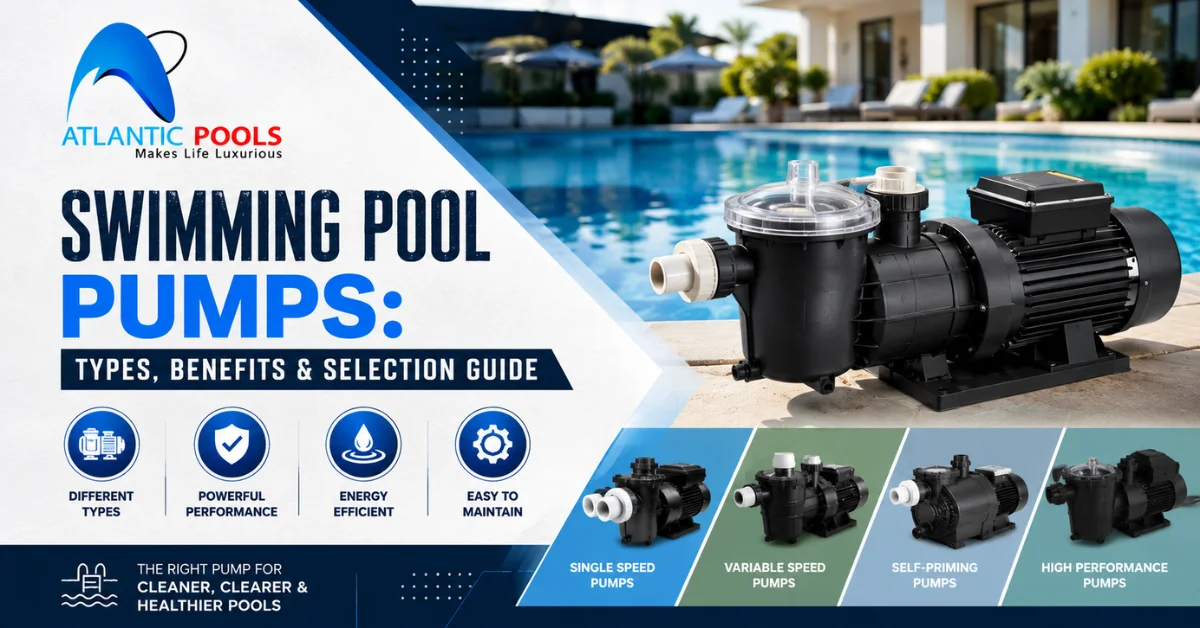
Pumps and filters are the heart of the pool. They keep the water clean and circulating. Choosing energy-efficient systems saves on bills and maintenance.
9.2 Pool Lighting and Heaters
Add ambience and functionality with LED lights, automatic timers, and pool heaters. These enhance your pool experience and extend usability.
Step 10. Interior Finishing
This step gives your pool its final look and feel. Interior finishing is the stage where your swimming pool gains its true character and charm. This process involves applying the final surface layer that not only enhances aesthetics but also provides durability and protection. From smooth plaster to elegant pebble or quartz finishes, each option offers unique texture and color depth. Once the finish is set, the pool is filled and water chemistry is balanced, preparing it for the ultimate swimming experience.
10.1 Plaster, Paint, or Pebble Finish
Plaster is a classic choice. Pebble or quartz finishes offer texture and luxury. These coatings seal the surface and enhance the water color.
10.2 Filling the Pool
Once the finish cures, your pool is filled with water. Builders then balance the water chemistry to make it swim-ready.
Step 11. Final Inspection
The final inspection is a critical step to ensure your pool is ready for safe and efficient use. At this stage, pool inspectors verify that all safety features are in place and operational, and that every system performs as expected. Compliance with local building regulations is confirmed, ensuring your investment meets the highest standards before you officially enjoy your first swim.
11.1 Safety Compliance
Inspectors check fencing, drains, alarms, and emergency exits. This guarantees that your pool meets local safety laws.
11.2 System Checks
Pump pressure, filtration efficiency, lighting, and controls are tested to ensure all systems work properly.
Step 12. Pool Handover & Maintenance Tips
The pool handover marks the transition from construction to ownership, equipping you with the knowledge to care for your new investment. Your pool builder provides guidance on system operation, cleaning routines, and water quality management. With proper training and a consistent maintenance plan, your pool will remain in pristine condition, ensuring year-round enjoyment and avoiding unnecessary repair costs.
12.1 Training on Pool Use
Learn how to operate the filter, clean the skimmer, and test chemical levels. This helps you maintain a safe and enjoyable swimming environment.
12.2 Ongoing Maintenance Schedule
Follow a weekly and monthly checklist:
- Skim debris daily
- Check chlorine and pH levels weekly
- Backwash filter monthly
- Schedule annual servicing
Conclusion
Building a pool isn’t just about digging a hole—it’s about transforming your space into a personal paradise. From site inspection to final inspection, every step in the swimming pool construction journey requires precision, planning, and the right people by your side.
At Atlantic Pools, we’re proud to be recognized as the best pool construction company in Lahore. With expert guidance, premium equipment, and a passion for detail, we make your pool dreams come true.
Contact Atlantic Pools Team: +92 300 1116713
FAQs
What is the average time required for swimming pool construction?
Most pools take 8 to 12 weeks from design to completion, depending on weather, permits, and complexity.
What type of pool is best for Lahore weather?
Concrete pools are best suited due to their durability and resistance to Lahore’s extreme summer heat.
How do I find the best pool construction company?
Look for experienced pool builders like Atlantic Pools, customer reviews, licenses, and past projects.
What’s the cost of swimming pool design and construction?
Costs vary based on size, features, and finishes. On average, expect PKR 2.5M to 7M+ for a quality pool.